

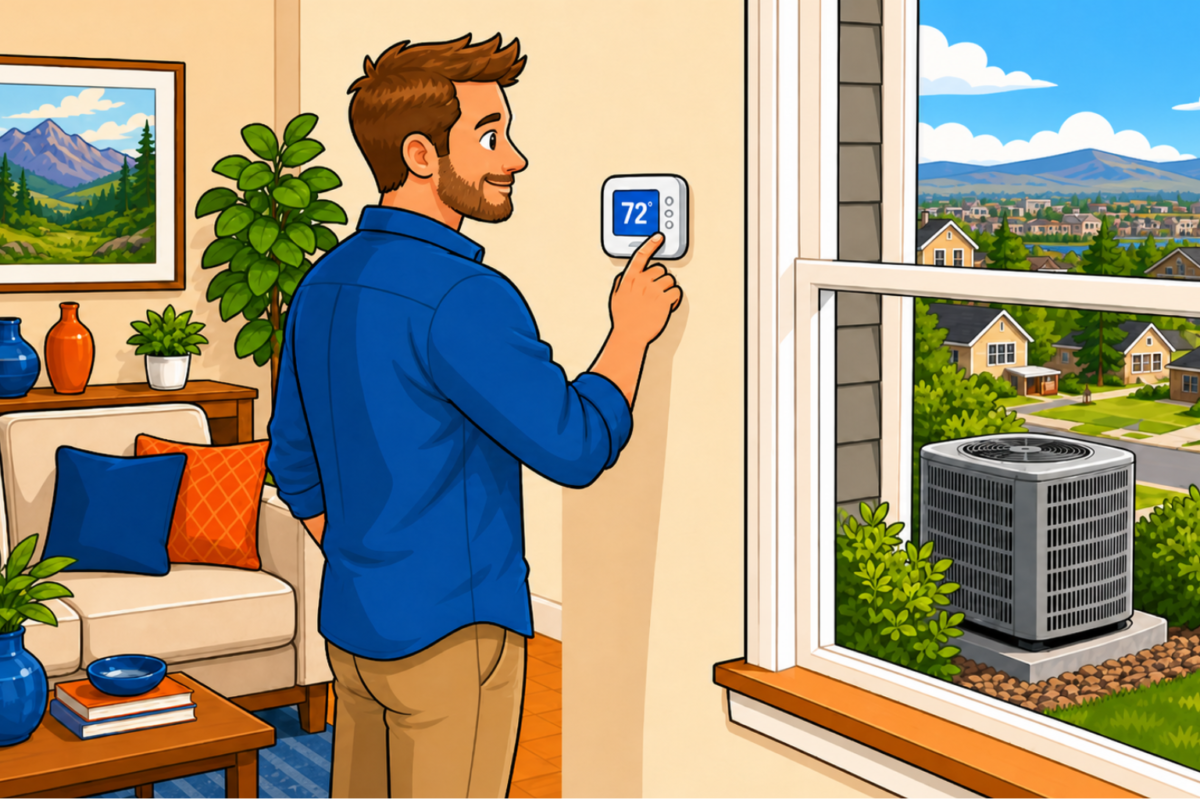
When summer heat settles into Great Falls, your cooling system can go from “barely used” to “we need this every afternoon” fast. That is usually when homeowners start hearing advice about thermostats, filters, vents, outdoor units, and whether it is time for air conditioner service.
Some advice is helpful. Some sounds believable but can make your system run longer, wear out sooner, or leave the house less comfortable. Here are common cooling myths we hear around Great Falls and nearby Montana communities, along with the air conditioning facts that can help you make informed decisions before the hottest days arrive.
Table of Contents
Myth 1: Turning the Thermostat Way Down Cools the House Faster
Fact: Most systems cool at one speed, so a lower setting usually just makes them run longer.
This AC myth is easy to understand. If the house is 78 degrees and you want it at 72, setting the thermostat to 65 can feel like giving the system extra motivation. In most homes, though, the thermostat is not a gas pedal. It tells the system when to turn on and when to stop, but it does not usually make the equipment cool faster.
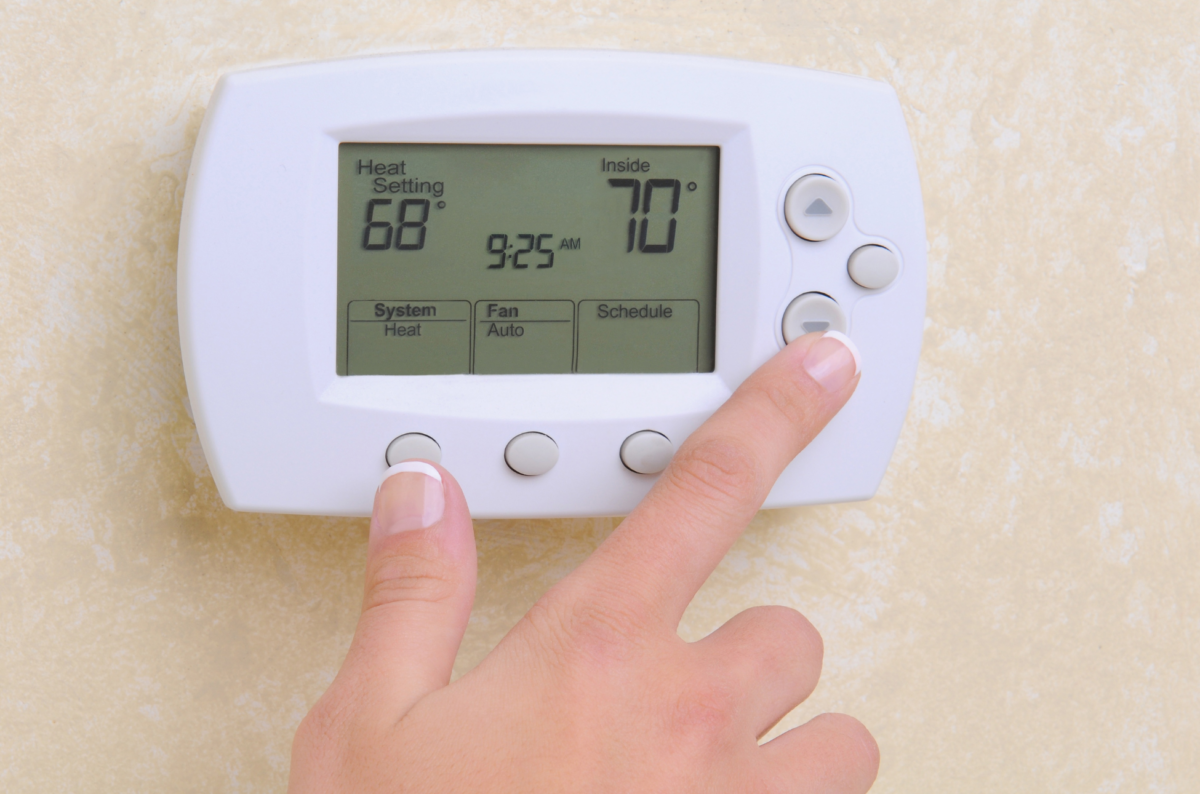
For a standard central air conditioner or heat pump, setting the thermostat much lower than your actual target can lead to longer run times, colder rooms near supply vents, and higher energy use. A better approach is to choose the temperature you actually want and give the system time to get there. If the system runs steadily but the home never gets comfortable, the issue may be airflow, duct layout, insulation, equipment sizing, or overall system performance.
Myth 2: Closing Vents in Unused Rooms Saves Energy
Fact: Closing too many vents can restrict airflow and create pressure problems.
This sounds practical at first. If no one is using the spare bedroom, why pay to cool it? The problem is that most residential duct systems are designed to move a certain amount of air through the whole system. Closing several vents can increase duct pressure, reduce airflow across the indoor coil, and make the system work harder than intended.
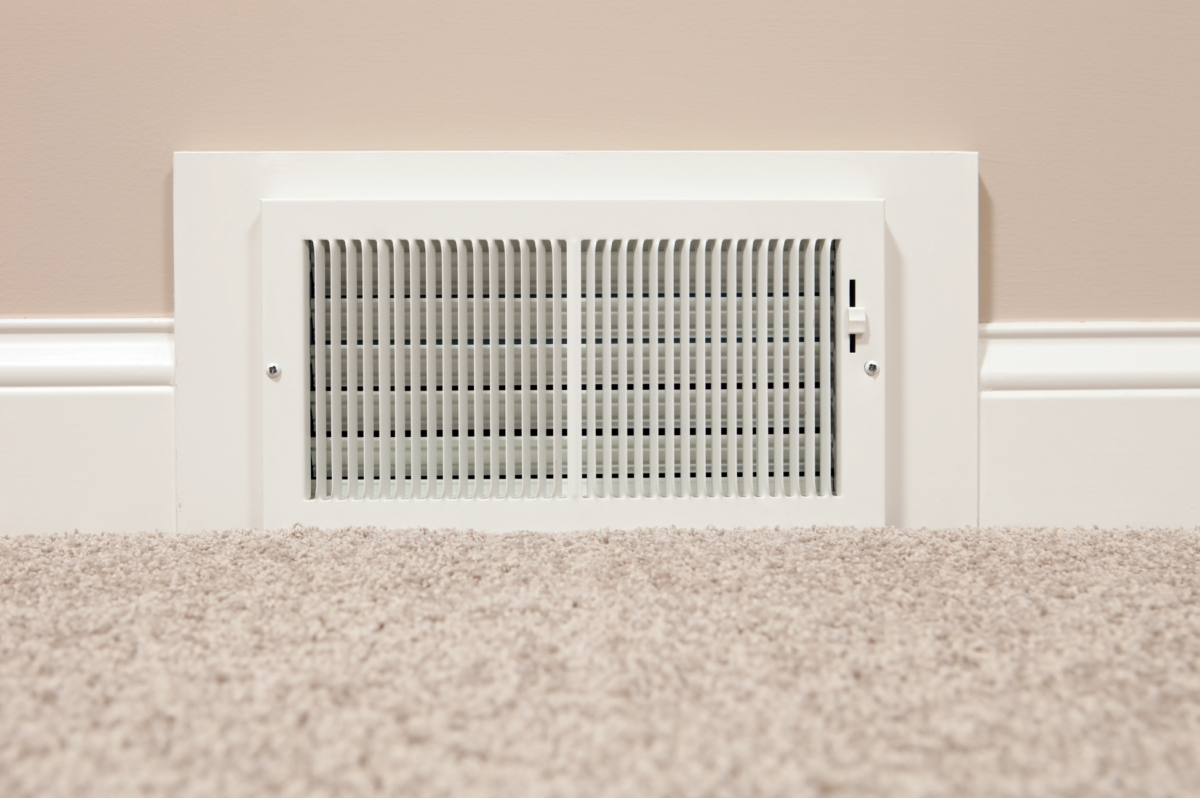
In some homes, closing one vent temporarily may not cause an obvious issue. But when several rooms are shut off, homeowners may notice whistling vents, weaker airflow, hot and cold spots, or longer run times. If one part of the house is consistently uncomfortable, it is usually better to have the airflow checked than to solve it by closing vents.
Myth 3: A Bigger Air Conditioner Is Always Better
Fact: Oversized equipment can cool unevenly, cycle too often, and hide comfort problems.
Bigger equipment can sound like the safer choice, especially in Montana where temperatures can swing from cool mornings to hot afternoons. But with cooling, bigger is not automatically better. An oversized system may cool the air quickly, then shut off before it has run long enough to mix air properly. That can leave rooms feeling uneven, with short bursts of cold air followed by warm spots.
Square footage is only one piece of the puzzle. Insulation, windows, sun exposure, duct condition, ceiling height, air leakage, and layout all matter. We have seen homes where replacing an old oversized unit with a properly sized system made the home more comfortable, because the new system ran in healthier cycles and matched the actual load better.
Myth 4: The Filter Only Matters for Air Quality
Fact: A dirty or overly restrictive filter can reduce airflow and hurt system performance.
Filters do help with dust, pet hair, and indoor air quality, but they also protect the equipment. When a filter gets packed with dust or fur, airflow drops. That can make the system run longer, reduce comfort, and allow dirt to build up where it should not, including on the indoor coil.
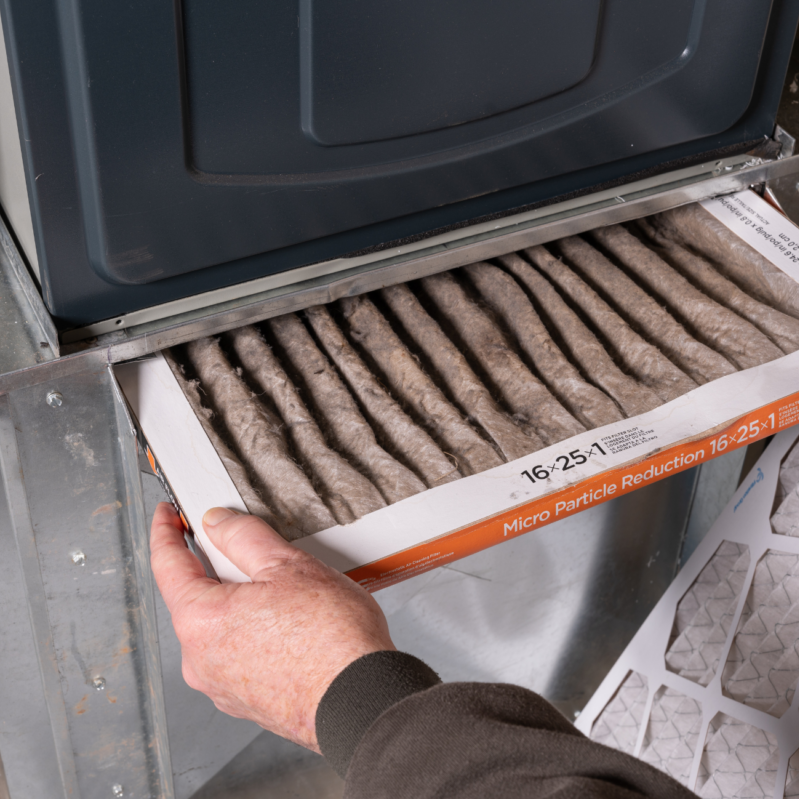
For many homes, checking the filter once a month during heavy heating or cooling seasons is a smart routine. Homes with pets, remodeling dust, nearby gravel roads, or wildfire smoke may need more frequent checks. Some high-efficiency filters can also be too restrictive for certain systems, so if you are upgrading filters for allergies, pets, or smoke, it is worth asking whether your system can handle that filter without losing too much airflow.
Myth 5: Outdoor Units Do Not Need Much Attention
Fact: The outdoor unit needs clear airflow to release heat.
Your outdoor AC or heat pump unit releases heat from inside your home to the outdoors. When the coil is packed with cottonwood fluff, grass clippings, leaves, pet hair, or dirt, it cannot move heat as effectively. That can increase run time, reduce efficiency, and put extra strain on the equipment.
Around Great Falls, outdoor units can collect a surprising mix of debris. Spring winds can blow dust and weeds into the cabinet. Cottonwood season can coat the coil quickly. Later in the summer, dry grass, mower debris, and wildfire smoke residue can add to the buildup. Homeowners should keep at least a couple feet of clearance around the unit and remove obvious debris, but deep coil cleaning should be handled carefully to avoid bent fins or other damage.
Myth 6: If Cold Air Is Coming Out, Everything Is Fine
Fact: Cold air at the vent does not tell the whole story.
Cold air from a supply vent is a good sign, but it does not prove the system is operating correctly. One of the most important air conditioning facts homeowners should know is that a cooling system can still have low airflow, dirty coils, duct leakage, refrigerant issues, thermostat problems, or poor temperature balance while still producing some cool air.
Pay attention to the whole cooling cycle. Does the system run long enough to cool the home evenly, then shut off for a reasonable period? Are some rooms much warmer than others? Does airflow feel weak at certain vents? Is there water around the indoor equipment or ice on refrigerant lines? These details tell a more revealing story than “it blows cold.”
Myth 7: Maintenance Is Only Needed When Something Breaks
Fact: Cooling maintenance helps catch small issues before they become expensive problems.
A lot of homeowners think of HVAC service as something you schedule after the house gets uncomfortable. That makes sense from a budget standpoint, but it can also mean the system is already under stress by the time someone looks at it. A cooling system tune up gives a technician a chance to check airflow, electrical components, refrigerant performance, coil condition, condensate drainage, thermostat operation, and the overall condition of the equipment.
For Montana homes, timing matters. A weak capacitor may let the system start today but fail during the next hot stretch. A dirty outdoor coil may still cool the house in May but struggle in July. Scheduling maintenance before the system is struggling gives you more options and fewer surprises. If it has been several years since the last visit, a cooling system tune up can help catch small issues before the next long stretch of hot weather.
Practical Cooling Checks for Homeowners
Before the hottest part of summer, take a few minutes to check the basics. Inspect or replace the air filter, make sure supply and return vents are open and clear, remove debris from around the outdoor unit, and confirm the thermostat is set to cooling and programmed realistically. It also helps to close blinds or curtains during strong afternoon sun and listen for unusual noises when the system starts.
These simple checks do not replace professional maintenance, but they can prevent avoidable problems and help you explain what you are seeing if you need service. Call for air conditioner service if the system is blowing warm air, freezing up, leaking water, making new noises, tripping breakers, running much longer than normal, or struggling to keep one part of the house comfortable.
If your cooling system has been acting differently, struggling to keep up, or you just want a professional check before summer heat settles in, contact Halcro Heating and Cooling to schedule air conditioner service, a cooling system tune up, or an estimate. We will take a practical look at the system, explain what we find, and help you decide what makes sense for your home.