

The first warm day in Great Falls has a way of sneaking up on people. One week it still feels like heating season, and the next week the house starts getting stuffy by late afternoon. That first switch from heat to cooling is when small problems often show up, especially if the system has been sitting idle for months.
A few simple steps before turning on an air conditioner or heat pump can help the system start cleaner, run more efficiently, and avoid some common early-season service calls. In our area, that matters even more because spring brings dust, wind, and wide temperature swings.
Table of Contents
Why a preseason cooling check matters
When an AC or heat pump has not run in cooling mode for a while, debris can collect around the outdoor unit, filters may already be too dirty for good airflow, and thermostat settings may still be programmed for winter. A dirty filter can reduce cooling performance, a blocked outdoor coil can make the unit work harder, and incorrect thermostat settings can make it seem like the equipment is failing when the issue is much simpler.
What to do before turning on AC
1. Check and change the air filter
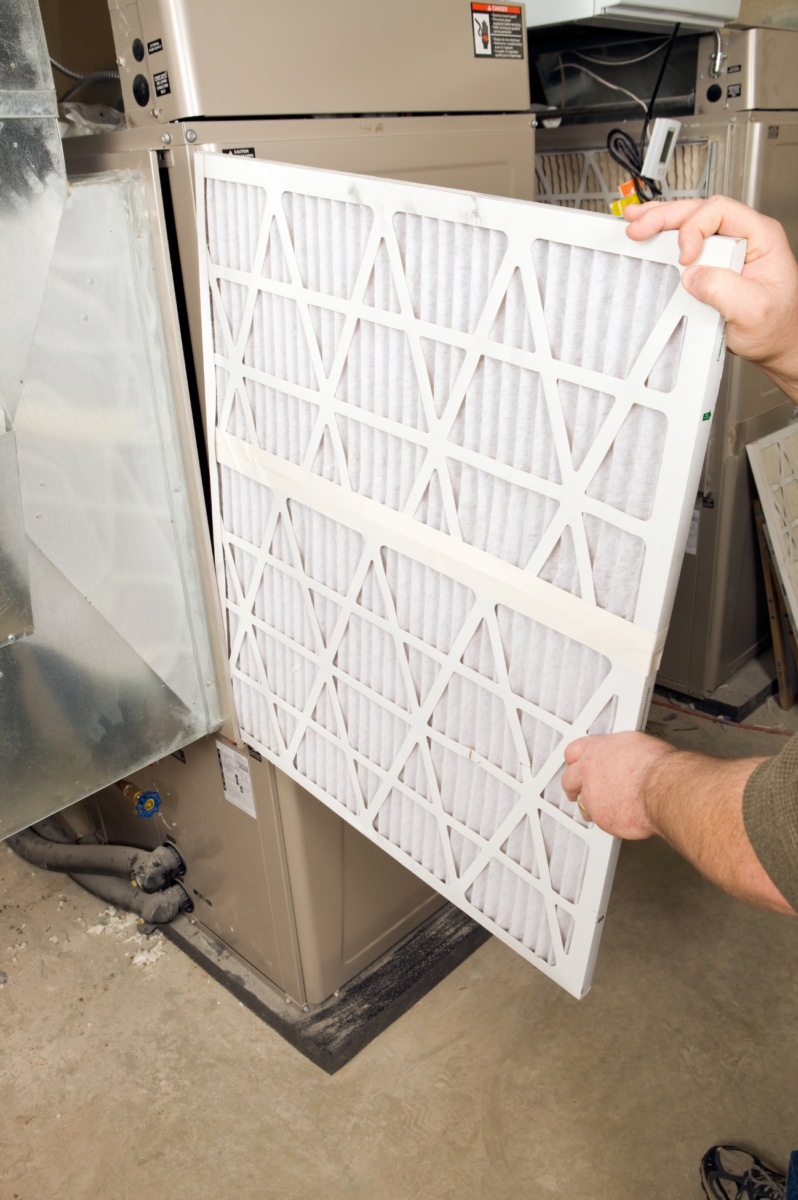
Start with the filter, because airflow problems cause all kinds of trouble. If it is visibly dusty or packed with pet hair, replace it. If you use a washable filter, clean it fully and let it dry before reinstalling. Make sure the replacement is the correct size and installed in the right direction.
2. Clear space around the outdoor unit
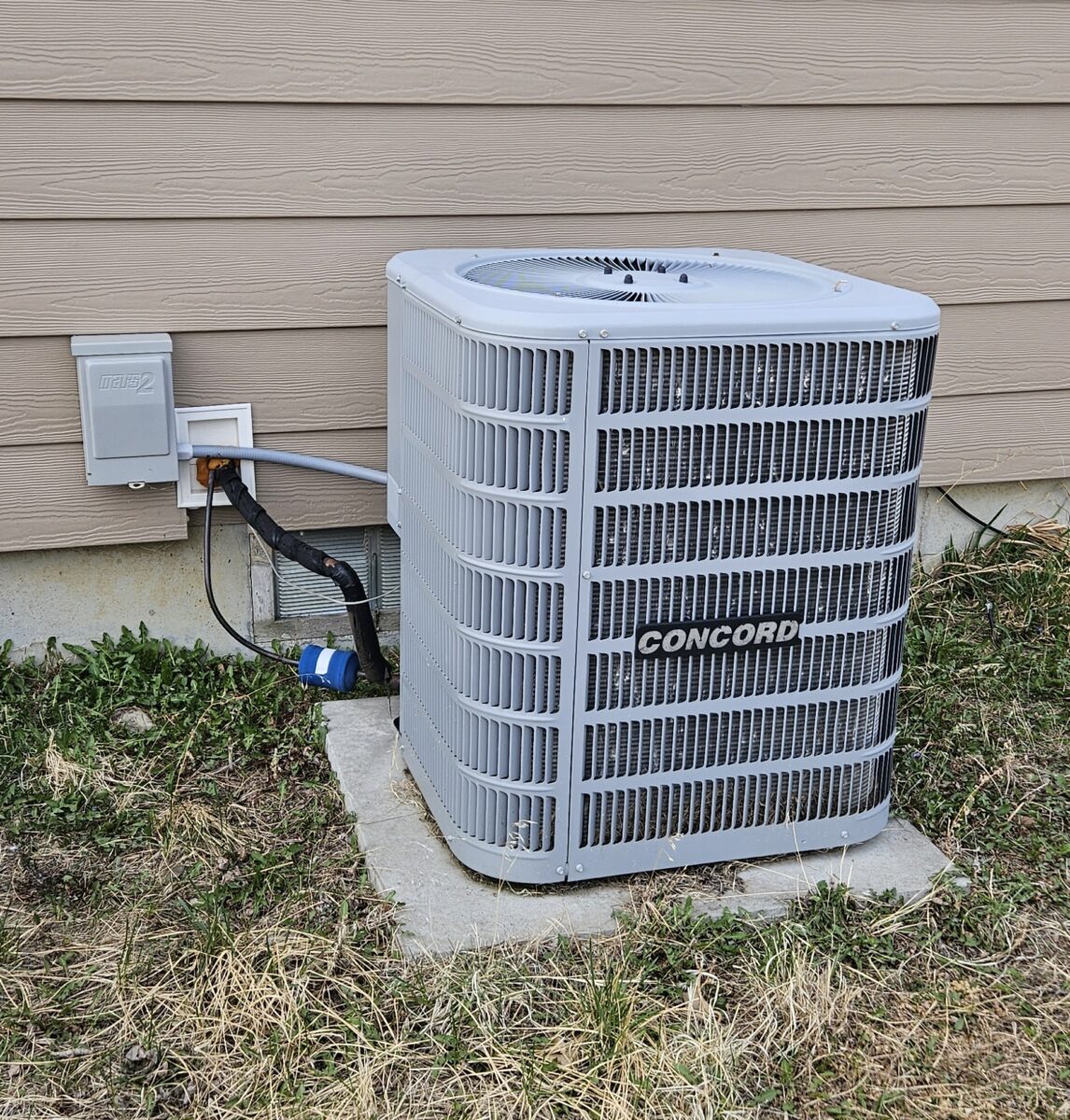
Go outside and inspect the condenser or heat pump. Remove leaves, trash, branches, and windblown debris around the cabinet. Trim back grass, weeds, and shrubs so the unit has room to move air freely.
3. Gently clean the outdoor coil
If the outdoor coil is visibly dirty, turn off power to the unit and rinse it carefully with a gentle stream of water. Do not use a pressure washer, because it can bend fins and damage the coil. The goal is simply to remove dirt and debris that block airflow.
4. Check thermostat settings before testing cooling
Set the thermostat to cool and the fan to auto, then lower the setpoint a few degrees below room temperature so the system has a clear call for cooling. For heat pump owners, this is also a good time to review schedules and remove any leftover winter programming.
5. Open vents and check returns
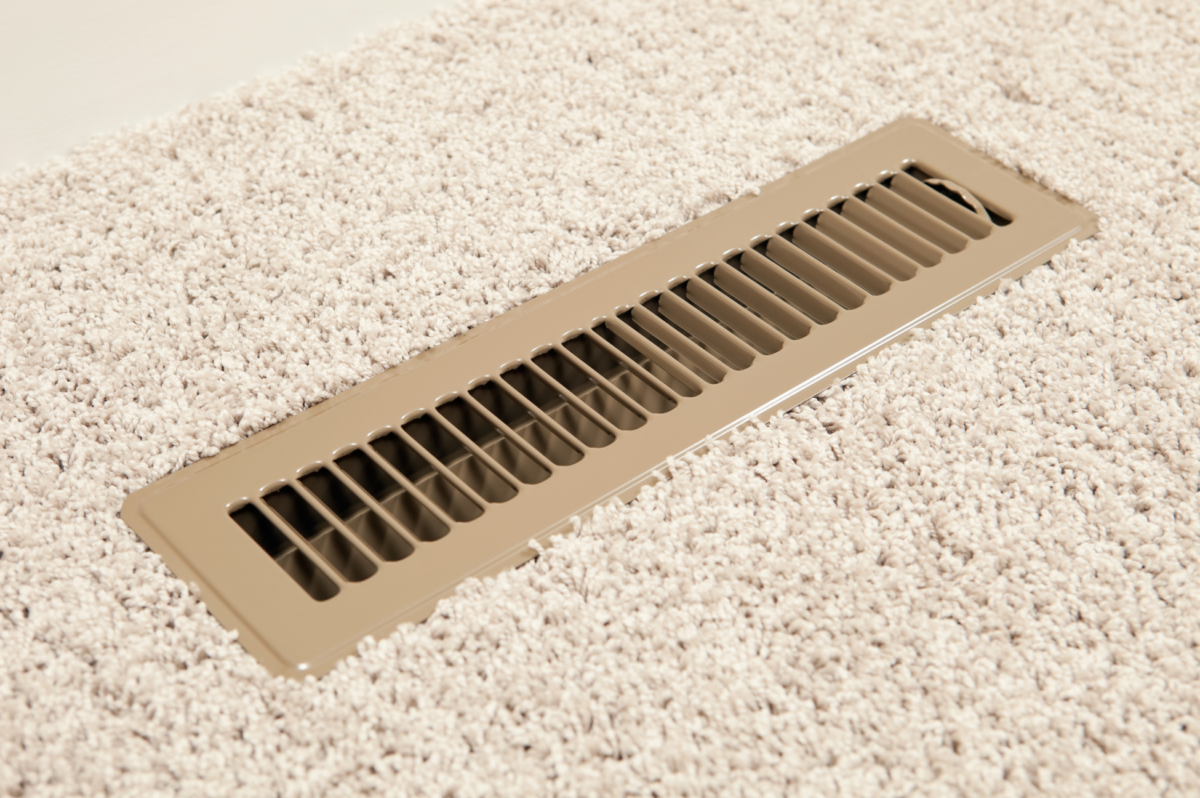
Walk through the home and make sure supply vents are open and not blocked by rugs, furniture, or storage. Check return grilles too. A blocked vent or return can reduce airflow and affect comfort.
6. Do a short test run
Once the filter is in, the outdoor unit is clear, and the thermostat is set properly, run the system for a short test. Listen for unusual sounds like buzzing, rattling, or grinding. Check a supply register for airflow, and after several minutes the air should feel cooler in AC mode.
7. Watch for signs that you should call for service
It might be time to call for service if you notice weak airflow, warm air when calling for cooling (after giving the system time to get cold), ice on refrigerant lines or indoor equipment, breaker trips, unusual noises, or water where it should not be. Uneven cooling between rooms can also point to a bigger airflow or system problem.
Summary and preseason cooling checklist
Use this quick checklist before the first real cooling day:
- Check the air filter and replace or clean it if needed
- Confirm the filter is the correct size and installed in the right direction
- Clear leaves, trash, and overgrowth from around the outdoor unit
- Gently rinse visible dirt from the outdoor coil without using high pressure
- Make sure the thermostat is set to cool and the fan is set to auto
- Review thermostat schedules and remove old winter settings if needed
- Open supply vents and check that return grilles are not blocked
- Run the system briefly and listen for unusual sounds
- Check for normal airflow and cooling at indoor registers
- Call for service if you notice weak airflow, warm air, icing, water leaks, or repeated breaker trips
A Montana-specific note for spring weather
In north central Montana, spring often means cool mornings, warm afternoons, and sudden weather shifts. That is one reason homeowners sometimes wait until the first genuinely hot day to see whether their cooling system still works. Unfortunately, that is also when HVAC schedules start filling up.
A quick preseason check gives you a better chance of catching a problem while the weather is still manageable, and when you can still have problems fixed without sacrificing comfort. Whether you have a traditional central AC system or a heat pump, a little prep can make the start of cooling season smoother.
Final thought
You do not need to do a full teardown to get ready for cooling season. Most homeowners are well served by focusing on the basics: clean filter, clear outdoor unit, correct thermostat settings, and a simple test run. Those steps will not fix every problem, but they do prevent a lot of avoidable ones.
If your system does not start cleanly or does not cool the way it should, it is better to address it before the first real heat wave.
If you want a second set of eyes before cooling season starts, Halcro Heating and Cooling can help. We serve Great Falls and surrounding communities within about 100 miles, and we are happy to help homeowners sort out whether a system just needs a basic tune-up or something more involved.