

When your air conditioner stops cooling on a hot afternoon, it is easy to assume the worst. Sometimes the problem is a failed component that requires professional repair, but other times it is something simple, such as an incorrect thermostat setting, a dirty filter, or a blocked outdoor unit.
Before scheduling an AC repair in Great Falls, work through this safe AC troubleshooting checklist (downloadable checklist available here). These steps will not solve every cooling problem, but they can help you rule out common issues and give your technician useful information if service is still needed.
Table of Contents
Start With a Few Safety Rules
Homeowners can safely check thermostat settings, filters, vents, breakers, and the area around an outdoor unit. Repairs involving electrical wiring, capacitors, refrigerant, motors, compressors, or sealed equipment panels should be left to a trained HVAC technician.
Turn the system off and call for service if you smell something burning, see smoke, hear loud grinding or electrical buzzing, find damaged wiring, or notice that a breaker trips repeatedly. Do not remove electrical access panels or try to bypass a safety switch.
1. Confirm the Thermostat Is Calling for Cooling
Start with the thermostat because incorrect settings can make a working air conditioner appear broken.
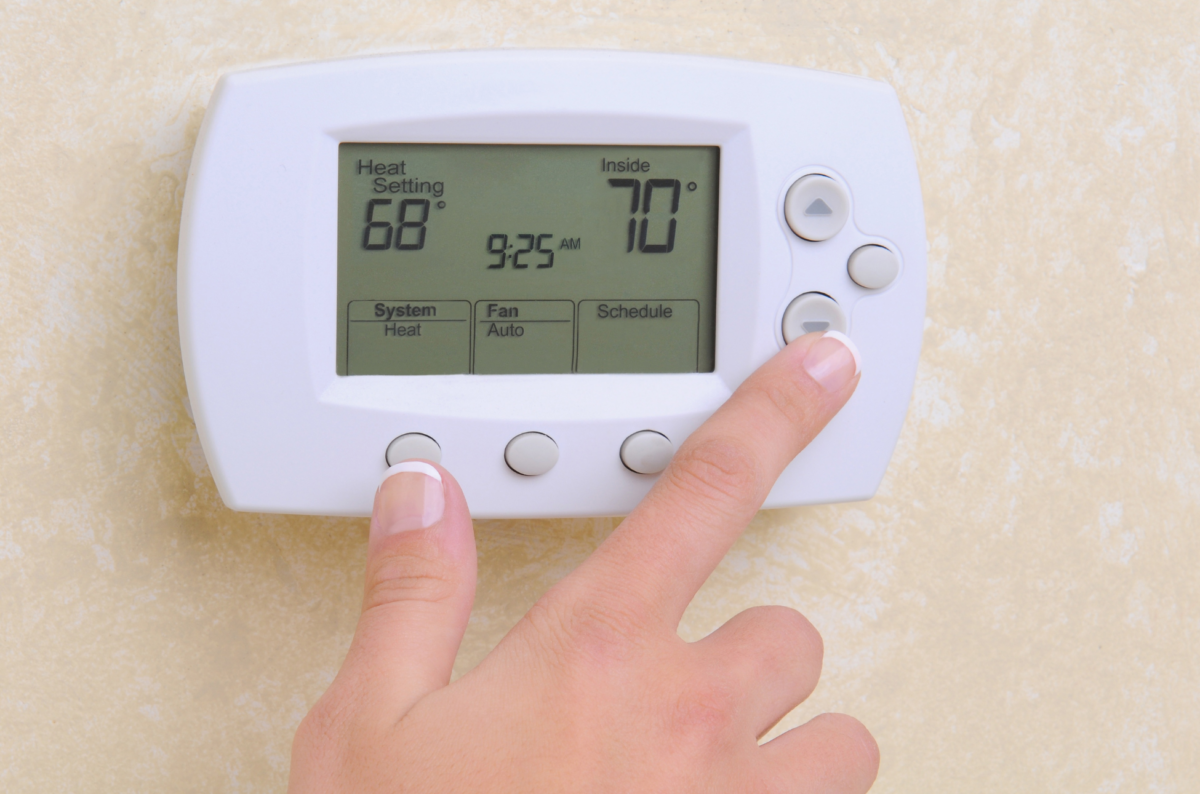
Make sure the thermostat is set to Cool, not Heat or Off. Set the fan to Auto rather than On, then lower the temperature setting several degrees below the current room temperature. Wait a few minutes because some thermostats and cooling systems have a built-in delay that prevents immediate restarting.
If the thermostat screen is blank, replace the batteries if your model uses them. A blank screen can also indicate a loss of power, a wiring problem, or an activated condensate safety switch.
Great Falls weather can change quickly, and homeowners sometimes switch between heating and cooling during the same week. It is worth checking that an old heating schedule or energy-saving program is not overriding the temperature you selected.
2. Check the Air Filter
A dirty air filter is one of the most common airflow problems we find in residential HVAC systems. When dust, pet hair, or wildfire smoke particles cover the filter, less air can move through the indoor equipment. That can reduce cooling, increase operating time, and contribute to coil freezing.
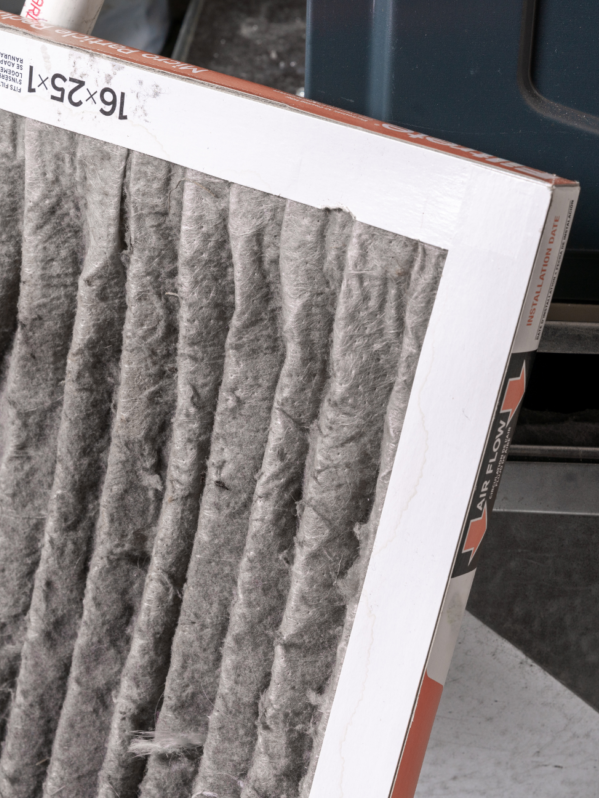
Remove the filter and hold it up to a light. If very little light passes through it, replace it with the correct size and type. Check the airflow arrow printed on the filter and make sure it points toward the furnace or air handler.
ENERGY STAR recommends checking filters monthly during heavy heating and cooling seasons. At a minimum, many standard filters should be replaced about every three months, although homes with pets or remodeling dust may need more frequent changes.
A higher filter rating is not automatically better for every system. A filter that is too restrictive can reduce airflow, so use a filter that is appropriate for your equipment and duct system.
For more guidance, visit our DIY and HVAC maintenance resources.
3. Make Sure Supply Vents and Returns Are Open
Walk through the home and check the supply registers where cooled air enters each room. Make sure they are open and not covered by furniture, rugs, curtains, boxes, or pet beds.
Next, look at the larger return-air grilles. These need clear space so air can travel back to the HVAC equipment. Blocking a return can reduce airflow throughout the entire system, not just in one room.
If one room has poor airflow while the rest of the home feels normal, note which room is affected. The problem could involve a closed damper, disconnected duct, crushed flexible duct, excessive duct leakage, or an airflow-balancing issue that requires further inspection.
4. Check the Electrical Breaker
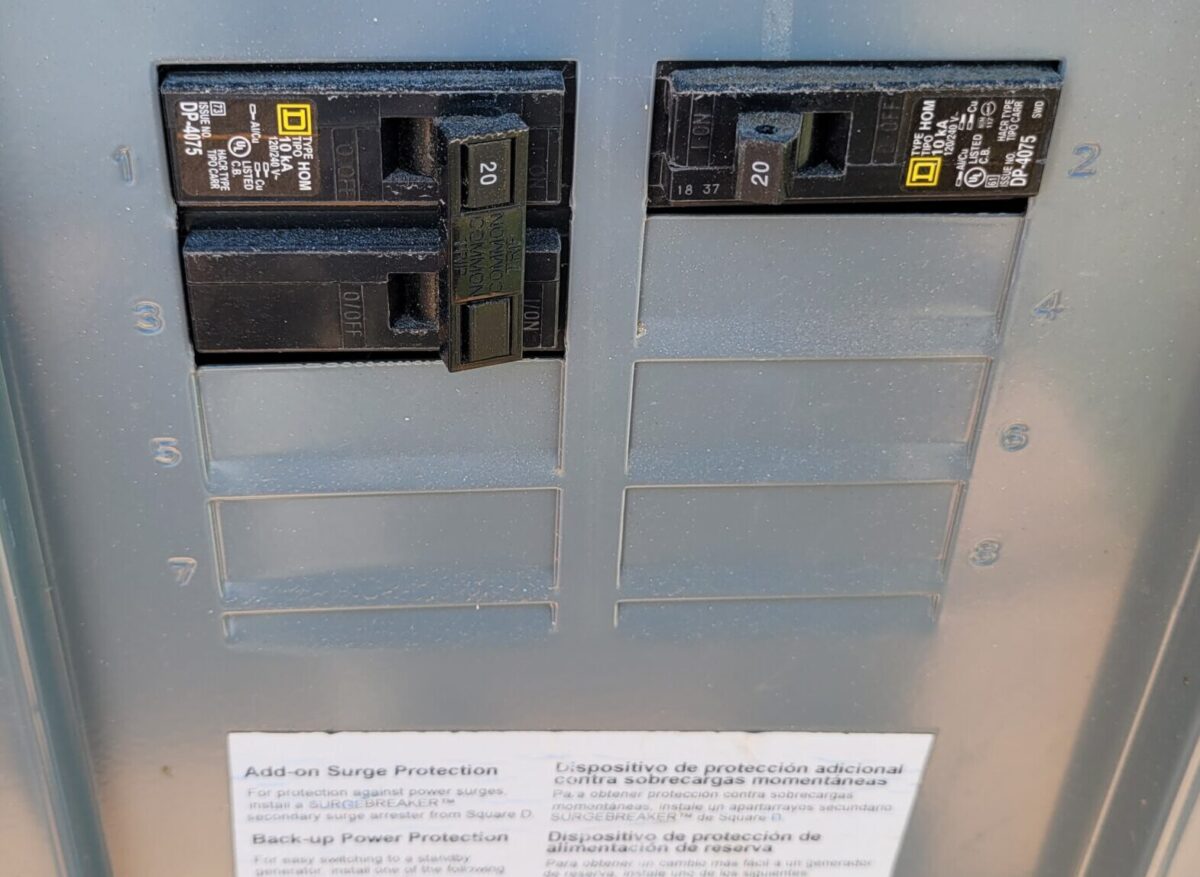
Locate the breaker labeled for the air conditioner, condenser, furnace, or air handler. If it is tripped, move it fully to the Off position and then back to On.
Reset a tripped breaker only once! If it trips again, leave it off and call for service. Repeated breaker trips can indicate an electrical fault, failing motor, damaged compressor, or another problem that should not be repeatedly energized. Doing so could cause further (and possibly more expensive) damage.
Some systems also have an indoor service switch near the furnace that looks like a regular light switch. Make sure it was not accidentally turned off during cleaning or other work around the equipment.
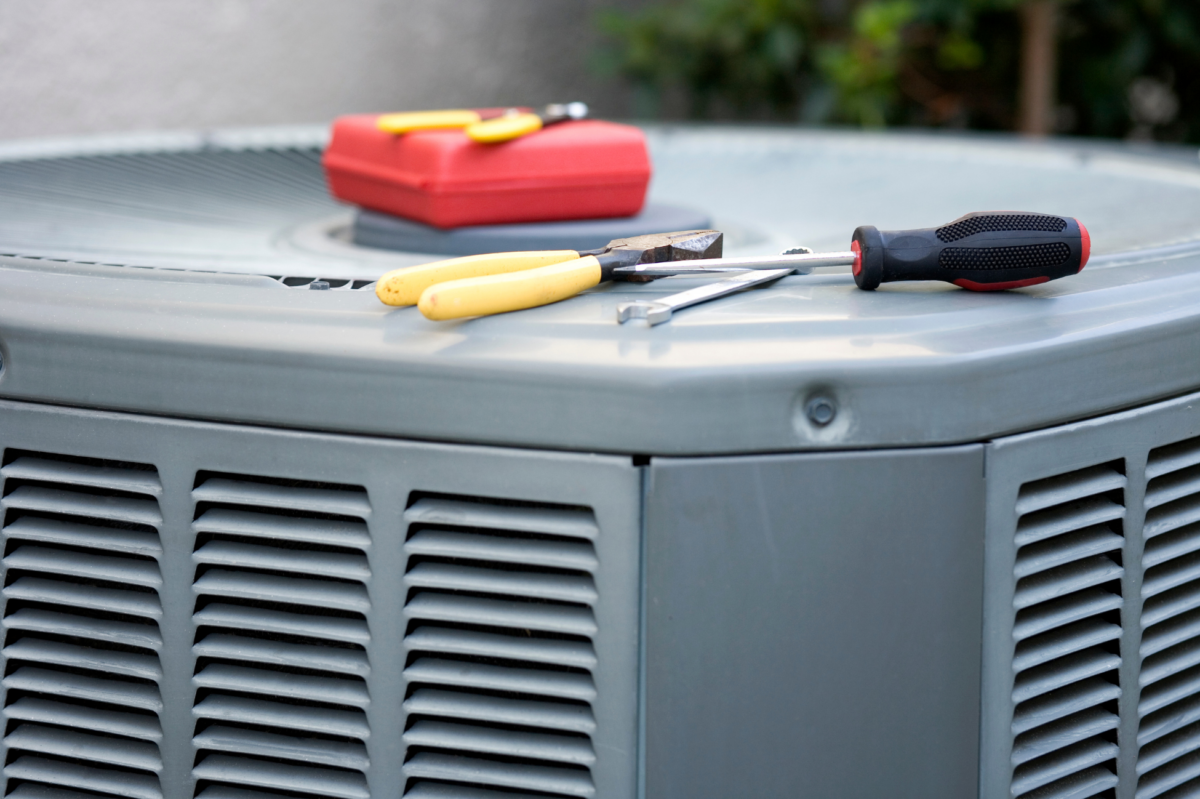
5. Inspect the Outdoor AC Unit
Go outside and check whether the outdoor unit is running when the thermostat is calling for cooling. You may hear the compressor operating and should normally see the outdoor fan turning.
Remove leaves, grass clippings, cottonwood debris, weeds, and windblown trash from around the unit. Central Montana wind can pack surprisingly large amounts of debris against an outdoor coil, especially after mowing or during dry, dusty weather.
Keep shrubs and stored items far enough away for air to move freely. Do not cover the top of the unit while it is operating.
If the coil is visibly dirty, turn off power to the equipment before gently rinsing it with low-pressure water. Do not use a pressure washer because it can flatten the thin metal fins and restrict airflow. The U.S. Department of Energy notes that dirty filters and coils reduce airflow and air-conditioning performance.
Read our related guide, Outdoor AC Unit Cleaning: Why Dirty Fins Matter and 7 Things to Do Before Turning On AC or a Heat Pump, for more preseason cleaning and inspection tips.
6. Look for Ice on the System
Check the insulated copper refrigerant line near the outdoor unit and any visible portions near the indoor equipment. Frost or ice is not normal during air-conditioning operation.
A frozen coil can be caused by poor airflow, a dirty filter, a failing blower, a dirty indoor coil, or a refrigerant problem. If you find ice, turn cooling off. You can set the thermostat fan to On to help circulate room-temperature air across the indoor coil, but the system may take several hours to thaw completely.
Do not chip or scrape ice from the coil or refrigerant lines. Even if the system begins cooling again after thawing, the cause should be identified before the problem returns.
7. Check for Water Around the Indoor Unit
Air conditioners remove moisture from indoor air, so water normally drains away through a condensate line. Water around the furnace, air handler, ceiling cassette, or drain pan can indicate a clogged drain, cracked fitting, failed condensate pump, frozen coil, or improperly draining equipment.
Some systems include a float switch that shuts the air conditioner off before the drain pan overflows. In that situation, the thermostat and indoor fan may seem normal while the outdoor unit does not start.
Turn the system off if water is approaching electrical components, damaging a ceiling, or spreading across the floor. Cleaning a readily accessible drain opening may be reasonable for some homeowners, but avoid opening equipment cabinets or adding harsh chemicals without knowing how the drain is constructed.
8. Give the System Enough Time to Cool
After completing the basic checks, operate the air conditioner for approximately 10 to 15 minutes. Feel the air at a nearby supply register and compare it with the room temperature.
The air should feel noticeably cooler, but do not expect the house to cool immediately. During a hot Great Falls afternoon, the system is also removing heat stored in walls, furniture, attic materials, and ductwork. A home that has been warm all day may take considerable time to recover.
Setting the thermostat dramatically lower will not make most central air conditioners cool faster. It usually causes the system to run longer without addressing the underlying problem.
9. Pay Attention to Sounds, Smells, and Cycling
Normal equipment makes some noise when starting and stopping. New rattling, grinding, squealing, clicking, humming, or buzzing deserves attention, especially when the outdoor fan or indoor blower is not moving.
A light dusty smell during the first seasonal use may clear quickly, but a burning, hot-electrical, or melting-plastic odor is a reason to shut the system off. Musty odors can point to moisture or biological growth around the drain, coil, filter, or duct system.
Also watch how often the system cycles. An air conditioner that starts and stops every few minutes may have a thermostat, airflow, electrical, sizing, or refrigerant-related problem. A system that runs continuously without bringing the temperature down also needs professional diagnosis.
When Should You Call for AC Repair?
Schedule professional AC troubleshooting when:
- The system blows warm air after the thermostat and filter have been checked
- The outdoor unit does not start
- A breaker trips more than once
- Ice forms on the refrigerant lines or indoor coil
- Water leaks from the indoor equipment
- Airflow remains weak with a clean filter and open vents
- You hear grinding, loud buzzing, or repeated clicking
- The system starts and stops unusually often
- Cooling is significantly different from one room to another
- The thermostat is calling for cooling, but nothing operates
- You suspect a refrigerant or electrical problem
Common professional repairs include replacing failed capacitors or contactors, correcting wiring problems, repairing blower components, clearing condensate systems, cleaning coils, locating refrigerant leaks, and diagnosing compressor failures. Halcro Heating and Cooling’s air-conditioning services include maintenance, diagnostics, repairs, replacement, and new installation throughout Great Falls and the surrounding area.
Quick AC Troubleshooting Checklist
Before calling, check the following:
- Thermostat is set to Cool
- Temperature is set below room temperature
- Thermostat batteries and display are working
- Fan is set to Auto
- Filter is clean and installed correctly
- Supply vents and returns are open
- Indoor equipment switch is on
- AC breaker is not tripped
- Outdoor unit is free of grass, leaves, and debris
- Outdoor fan is operating
- No ice is visible on the refrigerant line
- No water is leaking around the indoor unit
- No burning smell or dangerous electrical noise is present
Write down what you observe, including whether the indoor fan and outdoor unit are operating. Those details can help your technician narrow down the problem more efficiently (read as faster = cheaper).
Honest Help When the Basic Checks Aren’t Enough
A troubleshooting checklist is useful for finding simple problems, but it should not turn into a risky repair project. If the thermostat, filter, vents, breaker, and outdoor unit all look normal and the house still is not cooling, the next step is a proper system diagnosis.
Halcro Heating and Cooling serves Great Falls and communities within approximately 100 miles, including Belt, Cascade, Fort Benton, Ulm, Vaughn, Fairfield, and surrounding areas. Call or text us to schedule AC repair, maintenance, or an honest evaluation of your cooling system. We will explain what we find, discuss the available options, and help you decide what makes sense for your home.