

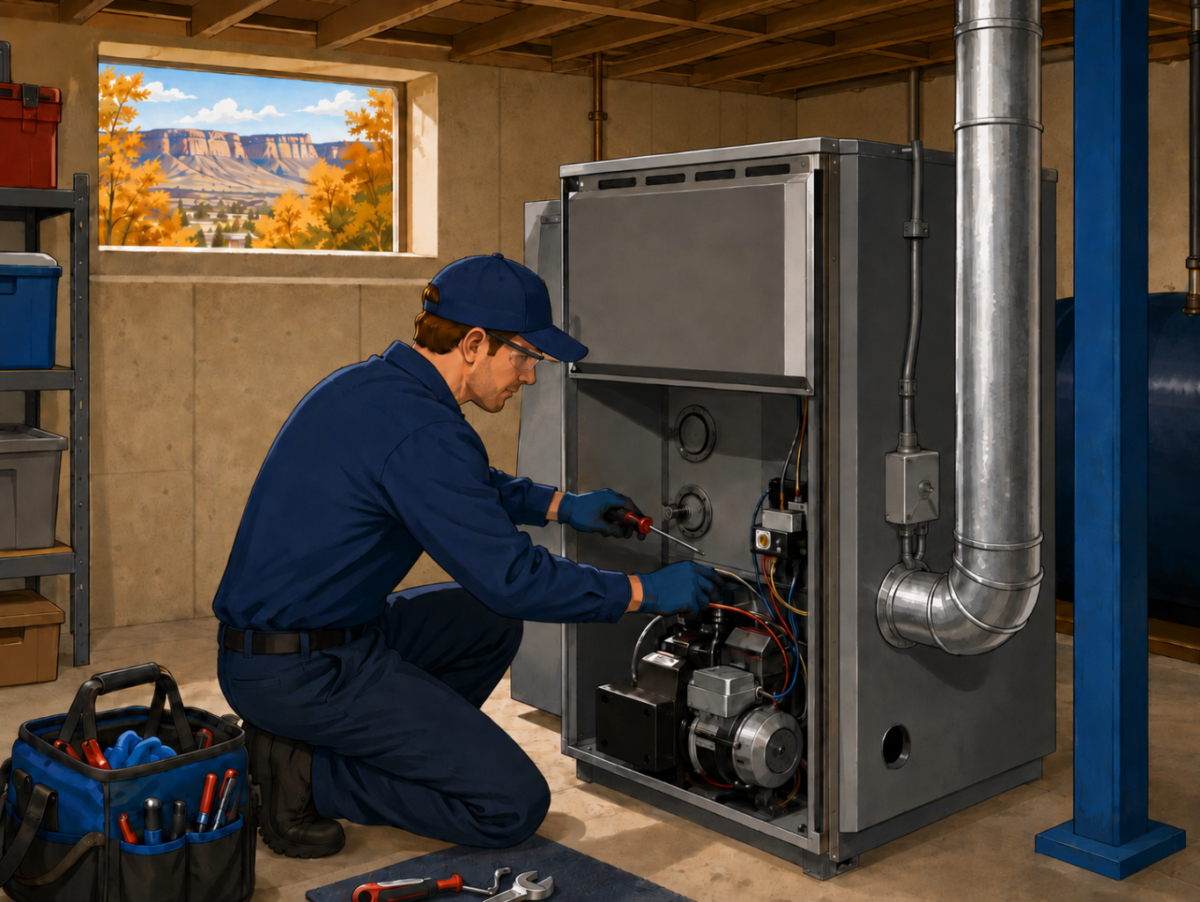
Oil furnaces need a little more seasonal attention than many homeowners realize. After sitting through the warmer months, an oil-fired heating system should be inspected, cleaned, and tested before it is asked to run steadily through another Montana winter. For homeowners in Great Falls and surrounding areas, a fall oil furnace tune-up is a practical way to catch developing problems early and make sure the system is ready before cold weather settles in.
Because oil furnaces rely on clean fuel delivery, proper burner operation, good combustion, and clear venting, routine maintenance is especially important. September and early October are good times to schedule service, before the first long stretch of freezing temperatures and before heating-season schedules become busier.
Table of Contents
When Should You Schedule an Oil Furnace Tune-Up?
Ideally, schedule oil furnace maintenance before you begin using the system every day. Early fall gives a technician time to inspect the furnace under controlled conditions and gives you time to address any worn parts or combustion concerns before the furnace becomes essential.
If you do not get to it until later in the fall, a tune-up is still worthwhile. The important thing is to have the oil furnace checked regularly rather than waiting until it begins smoking, running poorly, producing unusual odors, or failing to heat the home.
For older oil systems in particular, annual maintenance can be valuable because small changes in burner condition, fuel delivery, soot buildup, or draft can have a noticeable effect on operation.
What Happens During an Oil Furnace Tune-Up?
An oil furnace tune-up involves more than checking that the burner starts. Oil-fired equipment has several components that need to work together correctly to produce clean, reliable heat.
Depending on the furnace and its condition, a professional tune-up may include:
- Inspecting and cleaning the oil burner
- Checking or replacing the oil nozzle as appropriate
- Inspecting the electrodes and burner ignition
- Checking the oil filter and fuel-delivery components
- Inspecting the combustion chamber
- Removing accessible soot and buildup
- Checking the heat exchanger
- Inspecting the flue pipe and venting system
- Checking draft and combustion conditions
- Inspecting electrical connections and safety controls
- Checking blower operation and airflow
- Inspecting or replacing the furnace air filter
- Testing the thermostat
- Running the furnace through a complete heating cycle
- Checking for unusual smoke, odors, noise, or burner operation
The exact procedure depends on the furnace model, burner, age, venting arrangement, and manufacturer requirements. Oil heating systems can also vary considerably from one installation to another, especially in older Montana homes.
Why Oil Furnaces Need Regular Cleaning
One of the biggest differences between an oil furnace and many gas-fired systems is the amount of maintenance associated with combustion.
An oil burner atomizes fuel through a small nozzle and mixes it with air before ignition. If that nozzle becomes worn or partially restricted, or if the burner is not adjusted correctly, combustion may become less clean. Over time, soot can build up inside the furnace and venting system.
That buildup is not something homeowners should try to clean themselves. A trained technician can inspect the burner, combustion area, and venting while looking for signs that the system is not burning fuel properly.
A properly maintained oil furnace should burn as cleanly and consistently as the equipment allows. If you notice black soot, smoke, repeated burner resets, strong oil odors, or unusual exhaust smells, those are reasons to have the system checked rather than simply continuing to let it run.
The Oil Filter and Nozzle Matter More Than They Look
Two relatively small components can have a significant effect on how an oil furnace operates: the fuel filter and the burner nozzle.
The oil filter helps keep sediment and contaminants in the fuel supply from reaching the burner. A restricted filter can interfere with fuel flow and contribute to burner problems.
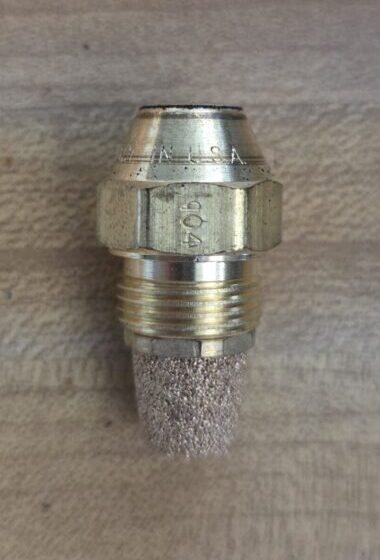
The burner nozzle has an equally important job. It meters the fuel and sprays it in a specific pattern so it can mix with air and burn properly. The nozzle must match the burner and furnace requirements, so replacement is not simply a matter of choosing one that looks similar.
During routine oil furnace service, the technician can evaluate these components and replace them when appropriate.
Combustion Testing Helps Tell the Full Story
An oil furnace can appear to be operating normally while still burning less cleanly than it should.
That is why combustion testing can be an important part of oil furnace maintenance. Depending on the equipment and service procedure, a technician may evaluate factors such as draft, flue temperature, oxygen or carbon dioxide levels, carbon monoxide, and smoke.
These measurements help show how effectively the burner is operating and whether adjustments may be needed.
The goal is not simply to make the furnace run. It is to make sure the burner, fuel delivery, combustion air, and venting are working together correctly.
Do Not Ignore the Chimney and Venting
Oil furnaces rely on proper venting to carry combustion gases safely out of the home. In many installations, especially older ones, the furnace may vent through a metal flue pipe into a masonry chimney.
During a fall tune-up, the technician will look for visible concerns such as corrosion, loose connections, deterioration, or signs of poor draft.
Homeowners should also pay attention between service visits. Rust around vent piping, soot near pipe joints, unusual odors, or visible deterioration should not be ignored.
Check the Furnace Air Filter Too
The oil-burning portion of the furnace gets much of the attention during a tune-up, but airflow still matters.
A dirty furnace filter can restrict airflow through the heating system, affecting comfort and potentially causing the furnace to operate at higher temperatures than intended. Montana’s dry conditions, household dust, pets, remodeling work, and periods of wildfire smoke can all contribute to faster filter loading.
Fall is a good time to start with a clean filter and establish a routine for checking it during heating season.
For homeowner-friendly maintenance information, visit our DIY & Maintenance HVAC Resources.
A Tune-Up Is a Good Time to Mention Last Winter’s Problems
If your oil furnace did anything unusual last winter, mention it when scheduling service.
Maybe the burner occasionally needed to be reset. Perhaps you noticed an oil smell near the furnace, more soot than usual, delayed ignition, uneven heat, or longer run times. Even if the system seems to be working normally now, those details can help the technician know what deserves extra attention.
Don’t repeatedly press the burner reset button if an oil furnace fails to start. Repeated resets can allow unburned oil to accumulate in the combustion chamber, creating a potentially dangerous condition. If the burner won’t remain running after a reset, it is better to stop and have the system diagnosed.
Peace of Mind Before a Montana Winter
An oil furnace tune-up can’t guarantee that a heating system will never break down, especially if the equipment is older. What it can do is provide a much clearer picture of the furnace’s condition before you depend on it every day.
For Great Falls homeowners with oil heat, fall maintenance is an opportunity to clean and inspect the burner, evaluate combustion, check fuel-delivery components, inspect venting, and identify problems while there is still time to address them.
If you would like your oil furnace checked before heating season gets underway, Halcro Heating and Cooling serves Great Falls and surrounding communities within approximately 100 miles. Contact us to schedule an oil furnace tune-up or to discuss concerns you have noticed with your heating system.