

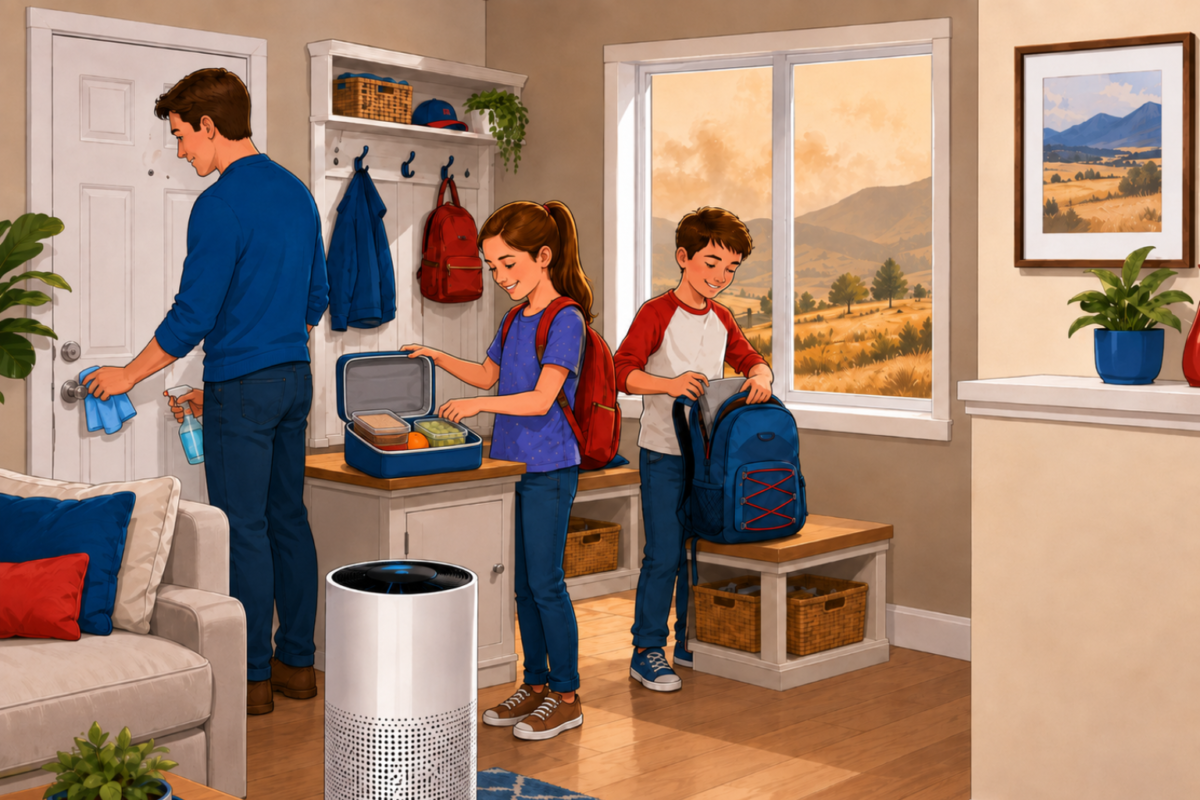
Back-to-school season brings new routines, busy schedules, and germs traveling home in backpacks, on hands, and through coughs and sneezes. In Great Falls, it can also overlap with wildfire smoke, dry late-summer air, and large temperature swings that keep families indoors more often. That combination makes August and September a good time to pay closer attention to indoor air quality.
Your HVAC system cannot prevent every illness or sanitize your entire home. However, good filtration, thoughtful ventilation, humidity control, and regular cleaning can help reduce airborne particles and make your home a more comfortable place to breathe.
Table of Contents
How Back-to-School Germs Affect Indoor Air
Many respiratory illnesses spread through particles released when an infected person breathes, talks, coughs, or sneezes. When everyone gathers indoors, those particles can build up.
Improving ventilation and filtration can lower the concentration of airborne particles, but these steps work best basic habits like handwashing, cleaning touched surfaces, covering coughs, and keeping sick family members home when possible.
Think of indoor air quality as one layer of protection rather than a guarantee against illness.
Start With a Clean HVAC Filter
The air filter is one of the easiest places to start. A dirty filter restricts airflow, making the blower work harder and reducing the amount of air moving through the system.
At the beginning of the school year:
- Locate the filter and note the size.
- Make sure it fits tightly with no gaps.
- Confirm the airflow arrow points toward the furnace or air handler.
- Replace if it appears gray, dusty, or clogged.
- Keep a spare filter on hand (especially during wildfire season).
A higher filter rating is not automatically better for every system. MERV 13 filtration can capture smaller airborne particles, including many smoke particles, but some older systems or narrow filter cabinets may not be able to move enough air through a restrictive filter. AirNow recommends using a MERV 13 or higher filter during smoke events only when the HVAC system can safely accommodate it.
If you are unsure, ask an HVAC technician before upgrading.
Use Fresh Air When Outdoor Air Is Clean
When outdoor air quality is good, opening windows briefly can help dilute indoor particles. Opening windows on opposite sides of the house can create cross-ventilation. Bathroom and kitchen exhaust fans can also help remove moisture and odors.
Before opening the windows, check the local Air Quality Index. Wildfire smoke can travel hundreds of miles and have a significant impact on our air.
When smoke is present, opening the windows may make indoor air quality worse rather than better.
Change Your Strategy During Wildfire Smoke
Wildfire smoke contains fine particles that can easily enter homes through openings and outdoor-air intakes. Children can be especially sensitive to smoke, and the EPA recommends reducing their outdoor activity when local air quality is poor.
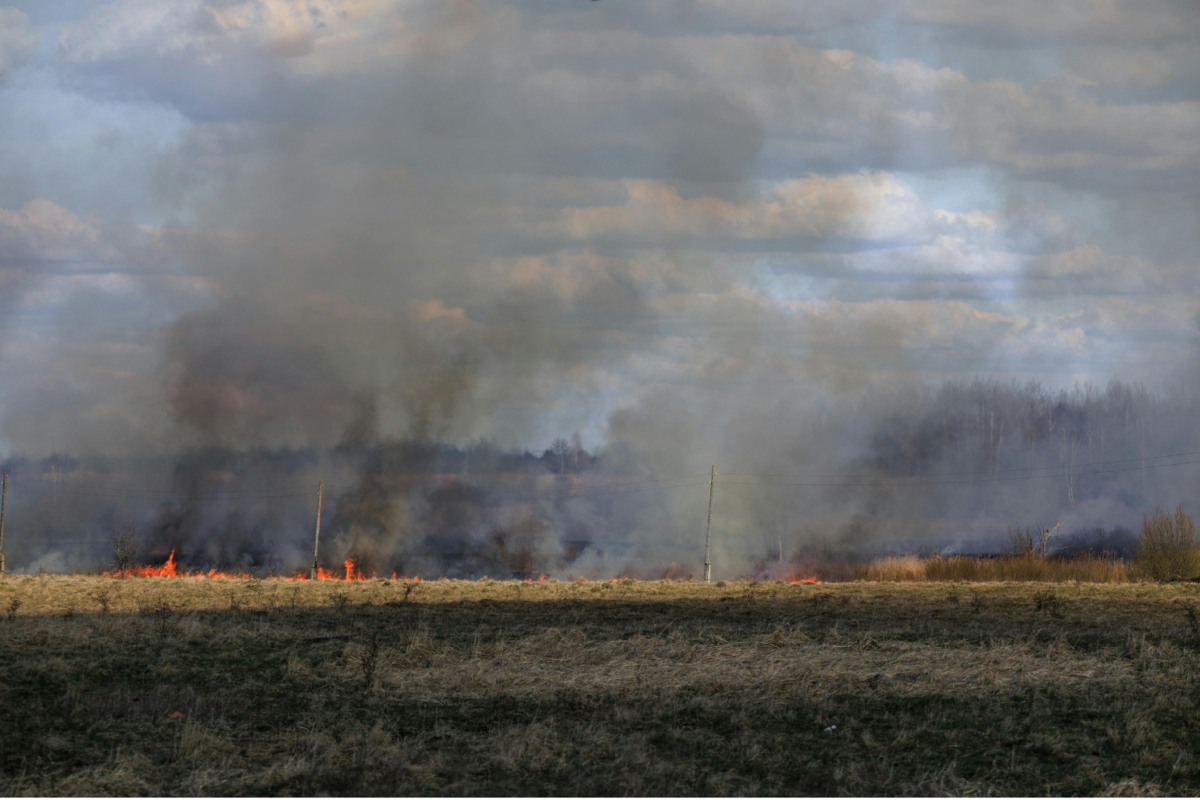
During a smoky day:
Keep Windows and Exterior Doors Closed
Limit unnecessary trips in and out, but do not ignore indoor heat. If the home becomes dangerously hot, cooling remains an important health concern.
Set the System to Recirculate When Possible
If your HVAC system, window air conditioner, or vehicle has an outdoor-air or fresh-air setting, switch it to recirculate during heavy smoke. Some systems do not have this option, so check the equipment instructions or ask a technician.
Use the HVAC Fan Strategically
Running the central system can move more household air through the filter. AirNow recommends using the appropriate recirculation settings and, during significant smoke events, operating the fan more continuously rather than relying only on the normal automatic setting.
Continuous fan operation is not the best year-round setting for every home. It uses additional electricity, can expose an airflow problem, and may affect humidity in some systems. Use it as a temporary smoke strategy and make sure the filter is clean.
Check the Filter More Often
Smoke can clog a filter much faster than ordinary household dust. The EPA advises checking HVAC and portable-air-cleaner filters more frequently during heavy smoke and replacing them sooner when they become visibly soiled.
Do not wait for the usual replacement date when the filter is already dark or clogged.
Consider a Portable HEPA Air Cleaner
A portable HEPA air cleaner can improve air quality in key rooms like bedrooms or living areas during smoke events.
Choose a unit sized for the room. Undersized units in large spaces will not be effective. Place it where air can circulate freely and avoid blocking it with furniture.
These units add filtration but do not replace HVAC system improvements or proper ventilation when outdoor air is clean.
Avoid Adding More Particles Indoors
When smoke or illness is already affecting indoor air, avoid activities that add particles or fumes, such as:
- Burning candles or incense
- Smoking or vaping indoors
- Using a wood-burning fireplace
- Frying or broiling food without adequate exhaust
- Vacuuming with a machine that does not filter particles effectively
- Using strong aerosol sprays or heavily scented cleaners
Even “clean-smelling” products can still affect air quality.
Keep Indoor Humidity Comfortable
Dry Montana air can make nasal passages and throats may feel irritated, especially when combined with smoke or when someone already has a cough or congestion.
A whole-home or portable humidifier can help, but more moisture is not always better. Excess humidity can contribute to condensation and mold growth. Always follow the manufacturer’s maintenance instructions so they stay clean and don’t become a source of contamination.
A basic humidity monitor can help you make decisions based on actual conditions inside your home.
Clean the Places Germs Actually Collect
Focus on frequently touched items rather than trying to disinfect every surface in the house.
Common back-to-school trouble spots include:
- Door handles
- Faucets
- Refrigerator handles
- Remote controls
- Shared tablets and keyboards
- Lunch boxes
- Reusable water bottles
- Backpacks
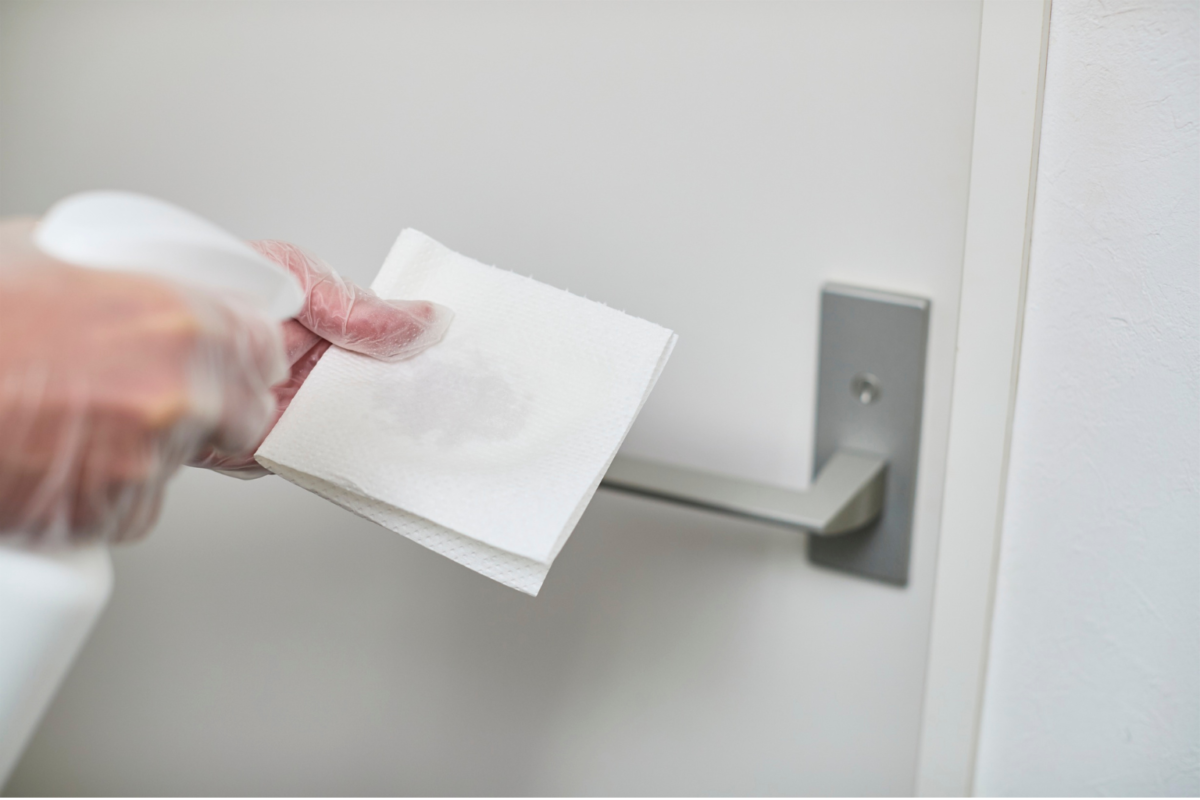
Wash reusable bottles and lunch containers regularly, and give backpacks a consistent location away from food-preparation surfaces. These small habits are often easier to maintain than a complicated whole-house cleaning routine.
When an Indoor Air Quality Check May Help
Consider an inspection if you notice weak airflow, excess dust, odors, or rooms that feel stuffy even with a clean filter.
A technician can evaluate airflow, ductwork, filtration options, and system compatibility. In some cases, small adjustments make a big difference.
Halcro Heating and Cooling provides air quality and comfort services in Great Falls and surrounding areas. We focus on solutions that fit your existing system and home needs.
A Healthier Back-to-School Routine Starts at Home
You can’t keep every school germ out of the house, and no filter can completely protect from wildfire smoke. You can make a meaningful difference by maintaining airflow and filtration, checking outdoor conditions before ventilating, and avoiding extra indoor pollutants.
If you are unsure which filter your system can handle or want to discuss indoor air quality options for wildfire season, contact Halcro Heating and Cooling. We can inspect the system, explain the practical choices, and help you decide what makes sense for your home and budget.