

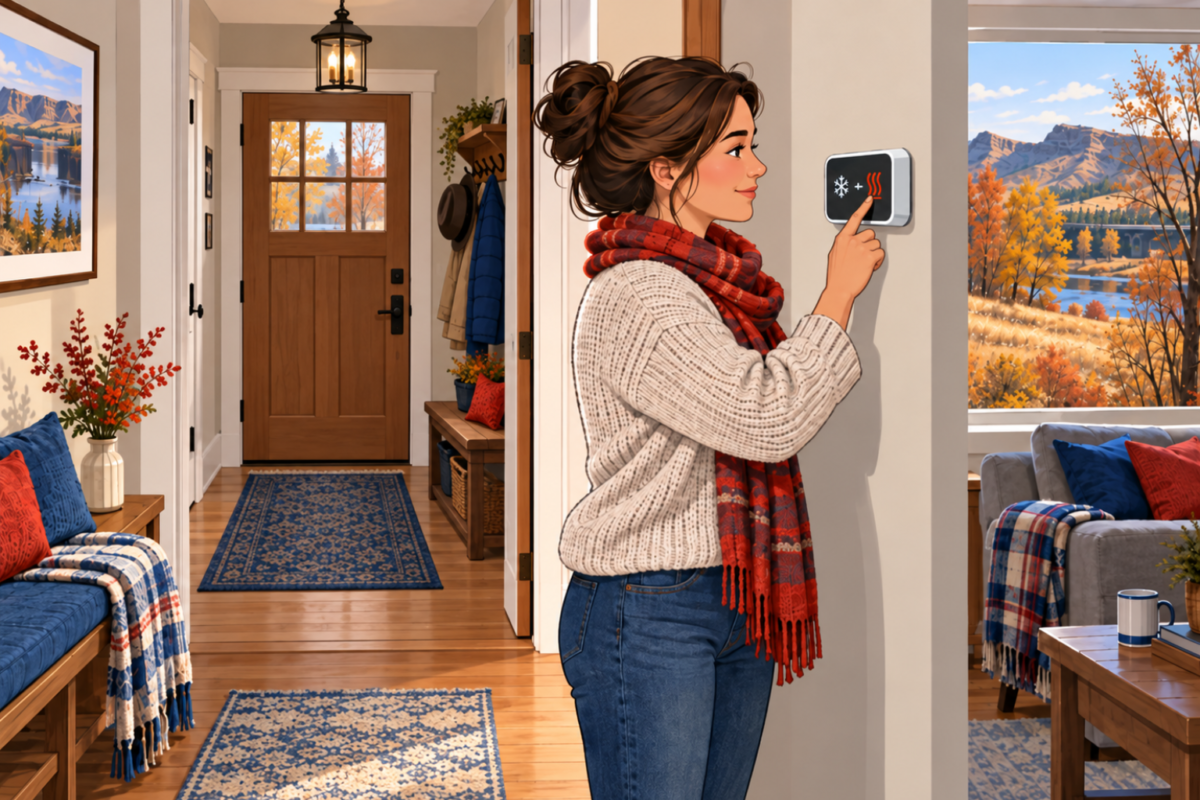
Fall in Great Falls can make your thermostat work both sides of the schedule. You might need the air conditioner during a warm afternoon and then wake up to temperatures cold enough for the furnace the next morning. Before winter settles in, this transition period is a good time to make sure your HVAC system is ready.
Switching from AC to heat does not require a complicated shutdown procedure for most homes. A few simple checks now can help you catch problems before the first real Montana cold snap.
Table of Contents
Finish the Cooling Season With a Quick AC Check
When you are reasonably sure the hot weather is behind you, look over the outdoor AC unit. Remove grass clippings, leaves, weeds, and other debris so the equipment is left clean and unobstructed going into winter.
You generally do not need to wrap an outdoor air conditioner completely in plastic. A tightly sealed cover can trap moisture and create a protected place for rodents.
Heat pump owners should treat the outdoor unit differently. If your system provides both heating and cooling, it will continue operating through the winter and should remain uncovered with clear space around it.
Before Switching From AC to Heat, Check the Filter
One of the easiest winter HVAC preparation steps is checking your air filter.
The same blower and duct system that moved cool air through your home during summer will now distribute heat. A filter that collected dust, pet hair, wildfire smoke particles, or other debris can restrict airflow just as heating demand begins increasing.
Inspect the filter before the first extended furnace run. If it is visibly dirty, replace it with the correct size and type for your system.
Test the Heat Before You Really Need It
Do not wait for the first subzero night to find out whether your furnace works.
On a cool fall morning, switch the thermostat to heating and raise the setting enough to create a call for heat. Give the system a few minutes to complete its normal startup sequence. You should eventually feel warm air coming from the registers.
A slight dusty smell during the first heating cycle can be normal after equipment has sat unused for months. Persistent burning odors, smoke, gas odors, repeated shutdowns, unusual banging, or a furnace that never produces heat should be checked.
Finding a problem on a 45-degree September morning is much easier than discovering it during a January cold snap.
Include Carbon Monoxide Safety in Winter Prep
Any home with fuel-burning equipment should include carbon monoxide safety in its fall routine.
Test your carbon monoxide alarms and replace batteries when needed. Make sure storage, boxes, and household supplies have not accumulated around the furnace or boiler. Combustion-air openings, exhaust pipes, and vents should also remain unobstructed.
We have seen why these checks matter. During one service call outside Great Falls, our technicians found damaged venting that was allowing heating-system exhaust to discharge into the home. A furnace can still produce heat even when another part of the system needs attention.
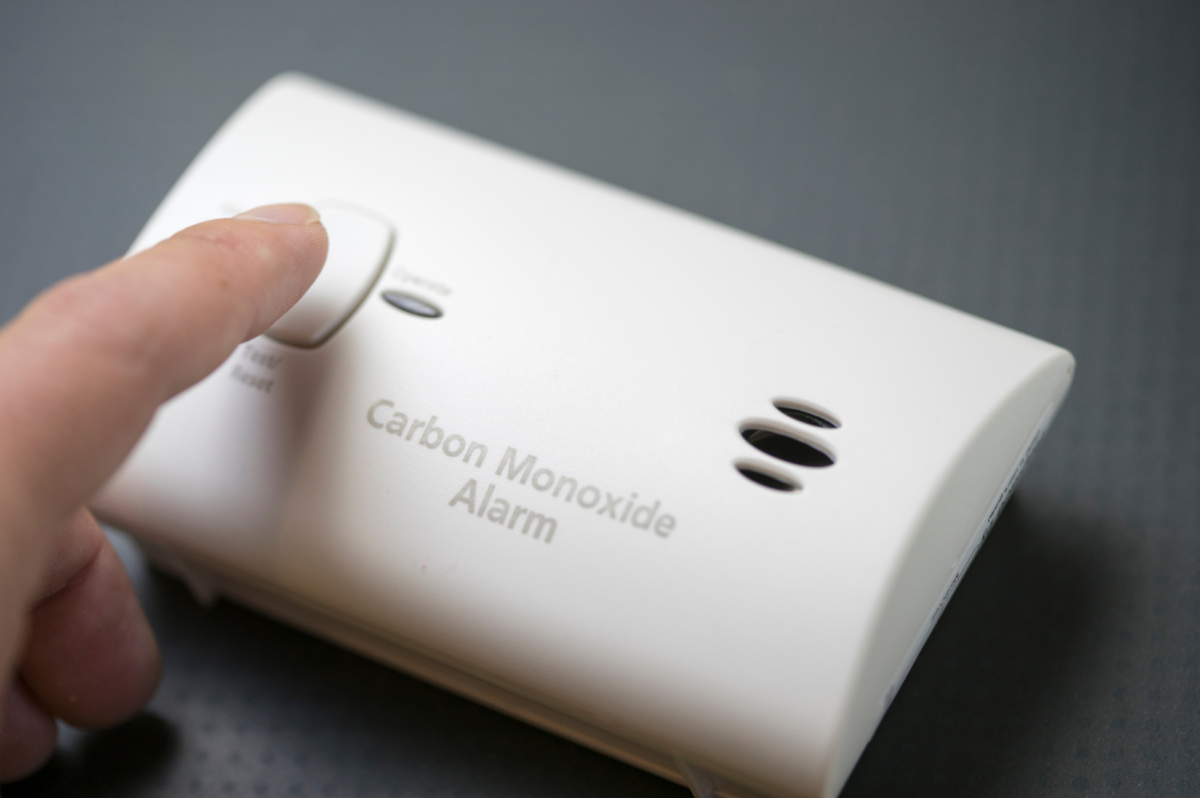
Our Carbon Monoxide Safety Before Your First Furnace Use article goes deeper into what homeowners should check before heating season.
Check Registers, Returns, and the Thermostat
Walk through the house and make sure furniture, rugs, curtains, or storage are not blocking supply registers or return-air grilles. This is especially helpful in homes where certain rooms already tend to run colder than others.
Also review your thermostat schedule for heating season. Confirm that it switches into heating mode and that programmed temperatures make sense for when people are home, sleeping, or away.
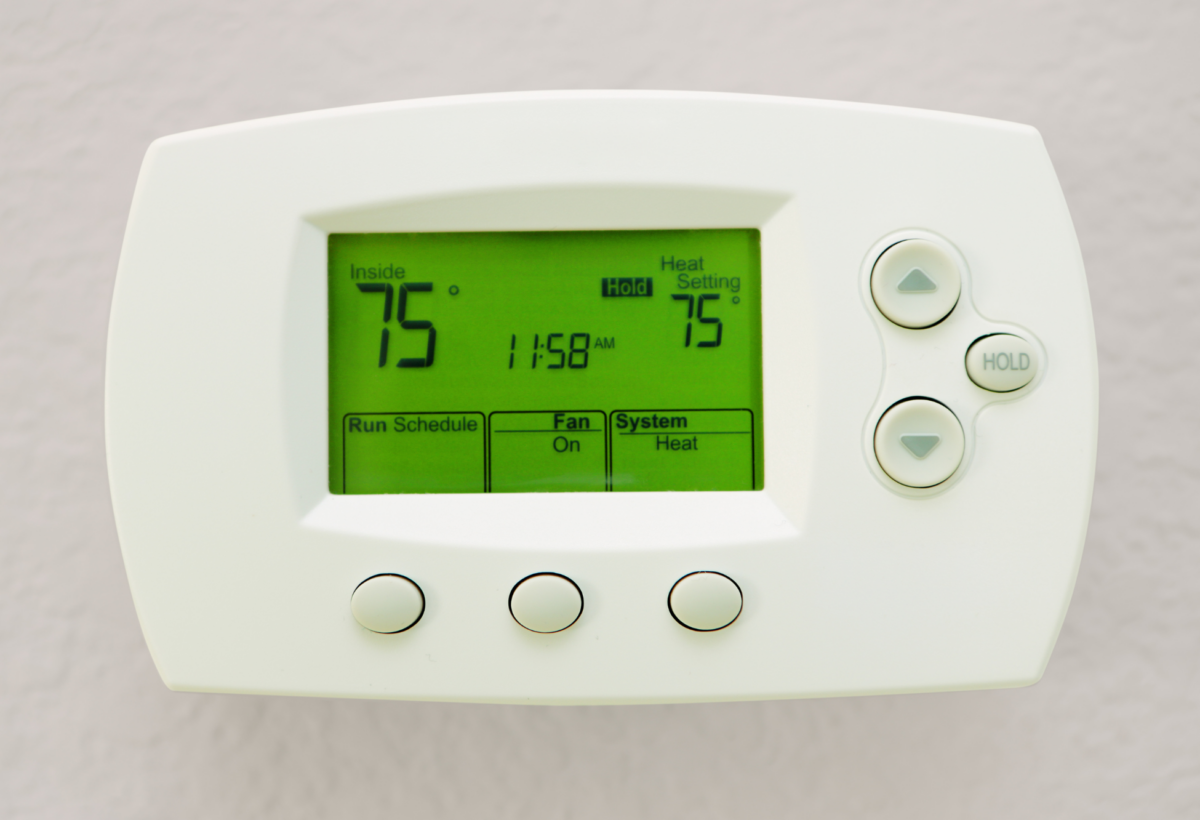
Avoid setting the thermostat much higher because the house feels cold. With a conventional furnace, that usually does not make the home heat faster. It simply tells the system to keep running until it reaches the higher setting.
Remember That Heat Pumps Work Differently
If your home uses an air-source heat pump or ductless mini split, switching from cooling to heating does not mean shutting down the outdoor unit. The system uses that equipment to provide heat.
You may occasionally see frost on the outdoor unit followed by a defrost cycle during cold weather. That can be normal. A unit that becomes heavily iced over, stays iced over, or cannot maintain indoor temperature should be checked.
Before winter, clean indoor mini split filters according to the manufacturer’s instructions and keep outdoor units clear of leaves, snow accumulation, and other obstructions.
Schedule Heating Maintenance Before Winter Gets Serious
Homeowner checks are useful, but they do not replace inspection of the internal operation and safety of heating equipment.
Oil furnaces should get an annual pre-season checkups. Natural gas, propane, and electric furnaces can generally go a bit longer between professional servicing visits. A professional inspection can include thermostat operation, electrical components, combustion performance, safety controls, airflow, burners, venting, and other equipment-specific items.
If your furnace has not been serviced recently, fall is a convenient time to do it.
Your Fall HVAC Transition Checklist
Before Montana winter settles in:
- Check the outdoor AC or heat pump for debris
- Inspect or replace the HVAC filter
- Test the heating system
- Test carbon monoxide alarms
- Clear supply and return registers
- Remove storage from around heating equipment
- Review thermostat settings
- Check exterior intake and exhaust openings
- Schedule maintenance if your system is due
The advantage of doing these things during Great Falls’ fall transition season is that you still have time to address a problem before sustained cold arrives.
A Little Preparation Before a Long Montana Winter
Once winter settles in, your furnace, boiler, or heat pump may operate every day for months. Spending a little time preparing now can help you start the heating season with more confidence.
If you test your heat and something doesn’t seem right, or you simply want the system checked before winter, Halcro Heating and Cooling serves Great Falls and communities within roughly 100 miles. We can inspect the equipment, explain what we find, and help you decide what actually needs attention.
Ready to make sure your heat is ready for winter?
Contact Halcro Heating and Cooling to schedule heating service or a fall system check.