

We invited customers to submit HVAC questions, and offered a service credit for any question selected for the blog. We received some great questions, used every one that was submitted, issued the promised credits, and then added a few common questions to round the list out to ten.
These questions cover everything from furnace filters and rising utility bills to replacement costs and smart thermostats. Here are practical answers based on what we commonly see while working in homes throughout Great Falls and the surrounding Montana communities.
Table of Contents
1. Why Is My AC Freezing Up?
An air conditioner that is freezing up is usually experiencing restricted airflow or a problem with the refrigerant system. When airflow is reduced, the evaporator coil can become too cold, causing moisture in the air to freeze on the coil and eventually block airflow even further.
Common causes include a dirty air filter, blocked return vents, closed supply registers, or a blower motor that is not moving enough air. Outdoor issues like a clogged condenser coil can also contribute by affecting how heat is released from the system.
Low refrigerant levels due to a leak can also cause freezing. When refrigerant pressure drops, the coil temperature can fall below freezing, leading to ice buildup. This is not something that can be corrected without professional service.
If your AC is frozen, turn the system off and allow it to thaw before restarting it. Running the system while frozen can cause damage. After thawing, check the filter and airflow, but if the problem returns, it is best to have a technician inspect the system to identify the root cause.
2. How Long Should a Heating and Cooling System Last?
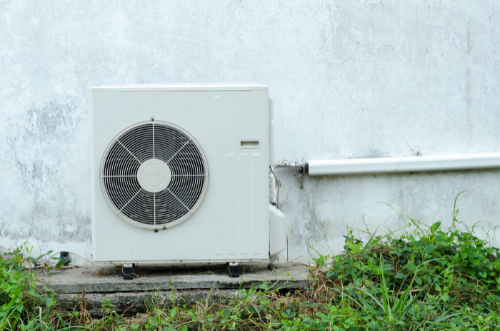
There is no exact expiration date for an HVAC system. Many furnaces, air conditioners, and heat pumps remain in service for approximately 20 years, but actual life depends heavily on equipment quality, installation, maintenance, operating conditions, and how hard the system must work.
A well-installed furnace that receives regular maintenance may last longer than an identical furnace that has poor airflow or is frequently overheating because of a clogged filter. Air conditioners can also experience premature compressor or fan problems when outdoor coils remain packed with dirt, grass clippings, or cottonwood.
Age is only one factor when deciding whether to replace equipment. We also look at repair history, safety, comfort, energy use, parts availability, and whether the system is properly sized for the home. An older system that is safe and dependable may still have useful life, while a newer system with repeated major failures may deserve a closer evaluation.
3. Why Is My Energy Bill Suddenly Higher?
Start by comparing actual energy use rather than only the dollar amount. Utility rates, billing periods, and extreme weather can increase the total even when the equipment is operating normally. A Great Falls home will naturally use more heating energy during a prolonged cold snap and more electricity when the air conditioner runs through several very hot afternoons.
If the increase cannot be explained by the weather or rates, common HVAC causes include a dirty filter, restricted airflow, leaking ductwork, incorrect thermostat settings, an outdoor coil covered with debris, or equipment that is running longer because it is losing capacity. Dirty filters can have a surprising impact on operating costs and contribute to shorted lifespan for the system.
Other household changes matter too. Electric space heaters, heat tape, a new freezer, an electric water heater problem, or more people staying in the home can noticeably affect a bill. We recommend looking at the entire home before assuming the furnace or air conditioner is responsible.
4. How Often Should I Change My Furnace Filter?
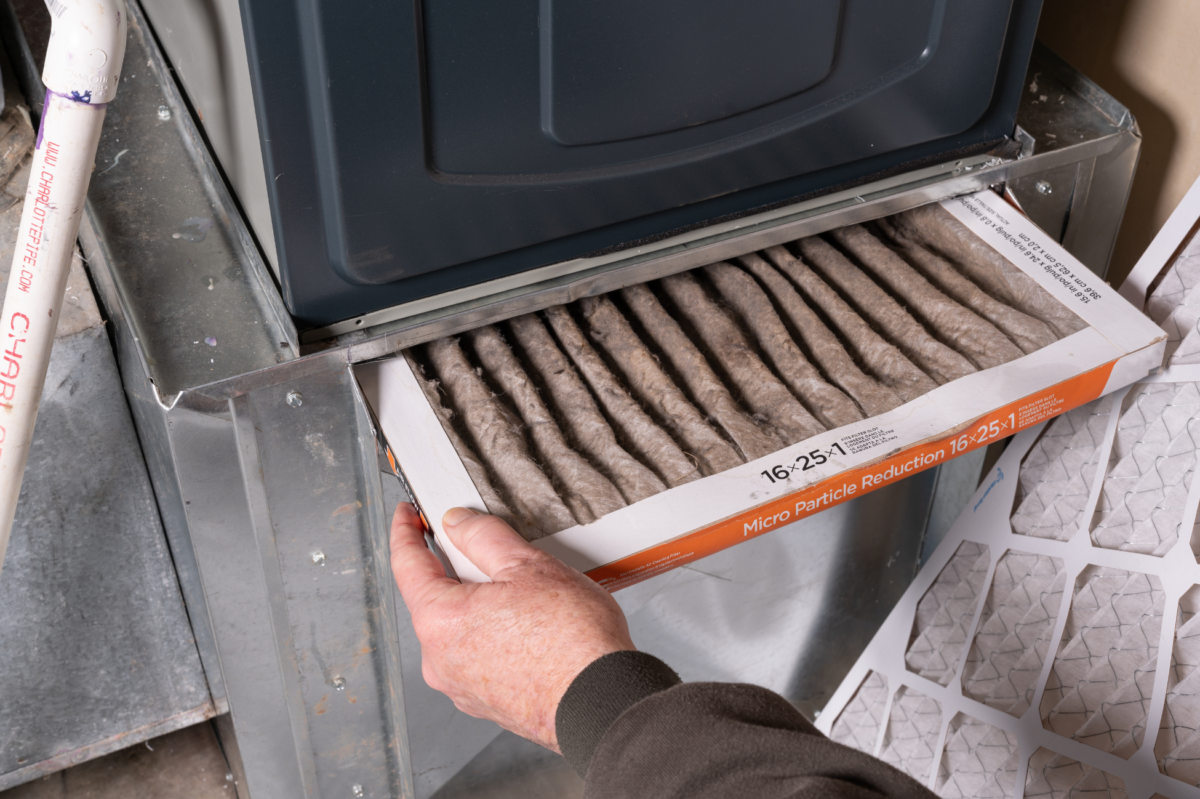
Check the filter every month, especially during periods of heavy heating or cooling. A basic one-inch filter may need replacement every one to three months, but the correct schedule depends on the filter, system, household, and indoor conditions.
Homes with pets, remodeling dust, frequent open windows, or occupants with allergies may need more frequent changes. Larger media filters can sometimes operate longer, but they should still be inspected regularly and changed according to the manufacturer’s instructions.
Do not assume that a more restrictive filter is automatically better. A high-efficiency filter that is not appropriate for the furnace or duct system can reduce airflow. The safest choice is a filter that provides useful filtration while staying within the equipment manufacturer’s airflow requirements.
5. How Can I Reduce Cooling Costs During Peak Summer?
Begin by reducing how much heat enters the house. Close blinds or curtains on windows receiving direct afternoon sun, keep exterior doors closed, and avoid running ovens or other heat-producing appliances during the hottest part of the day. Ceiling fans can improve comfort when people are in the room, but turn them off when the room is empty because fans cool people, not the house.
Keep supply registers open and make sure furniture, rugs, and curtains are not blocking airflow. Check the furnace filter monthly and keep grass, weeds, cottonwood, and stored items away from the outdoor air-conditioning unit. Dirty filters and outdoor coils make the system work harder and can increase energy use.
Avoid making large, frequent thermostat changes. Choose a reasonable temperature and allow the system to operate steadily. Turning the thermostat extremely low will not make most air conditioners cool the house faster.
6. What Is Your Typical Lead Time for Service or Installation?
Scheduling changes throughout the year. During moderate weather, routine service calls can often be scheduled more quickly. During the first major cold snap or a stretch of very hot weather, demand increases rapidly as multiple systems begin running under heavy load.
We prioritize urgent situations such as no-heat calls during dangerous winter temperatures. Non-emergency maintenance, estimates, and comfort concerns are scheduled around those calls as fairly as possible. Halcro Heating and Cooling does not add an overtime charge simply because service occurs after normal hours or on a weekend. You can read more about our no-overtime-fee policy.
Installation timing depends on the site visit, equipment selection, required materials, project complexity, and product availability. A straightforward furnace replacement may require less preparation than a new ductless system, boiler project, or installation that requires gas piping, electrical work, concrete pads, or custom sheet metal. Contact us for current availability rather than relying on a general estimate.
7. How Much Does It Cost to Replace an HVAC System?
A dependable replacement price cannot be determined from the square footage of the house alone. The final cost depends on the equipment type, capacity, efficiency, ductwork, venting, electrical requirements, gas piping, installation access, thermostat, permits, and any necessary corrections to the existing system.
For example, replacing a furnace with another furnace in an accessible basement is different from adding central air to a home that was never designed for it. A ductless mini split for one room is also a different project from a whole-home system with several indoor units.
Proper sizing matters as much as the equipment brand. Oversized equipment can cycle too frequently, waste energy, increase wear, and create comfort problems. The Department of Energy warns that oversizing HVAC equipment can reduce efficiency and increase equipment wear.
We prefer to inspect the home, discuss the homeowner’s priorities, and provide a free project-specific quote. That approach produces a more useful number than an online price range that may leave out important parts of the installation.
8. What Are the Most Energy-Efficient HVAC Options?
For many homes, high-efficiency heat pumps are worth considering. Instead of creating heat through combustion or electric resistance, a heat pump transfers heat between the indoors and outdoors. Modern cold-climate models can operate at much lower outdoor temperatures than earlier generations, although the right application and backup-heating strategy remain important in Montana. The Department of Energy identifies air-source and geothermal heat pumps as highly efficient heating and cooling options.
Ductless mini splits can be especially efficient for additions, smaller homes, rooms with uneven temperatures, or buildings without existing ductwork. Variable-speed furnaces, air conditioners, and heat pumps can also adjust their output to better match the home’s current needs instead of operating only at full capacity.
The most efficient equipment on paper is not always the most economical choice for a particular house. Fuel availability, insulation, duct condition, winter design temperatures, electrical capacity, installation cost, and homeowner priorities should all be considered. Correct sizing and quality installation are essential regardless of the efficiency rating.
Explore our heating, cooling, heat pump, boiler, and indoor-air-quality services for more information about available options.
9. Should I Upgrade to a Smart Thermostat?
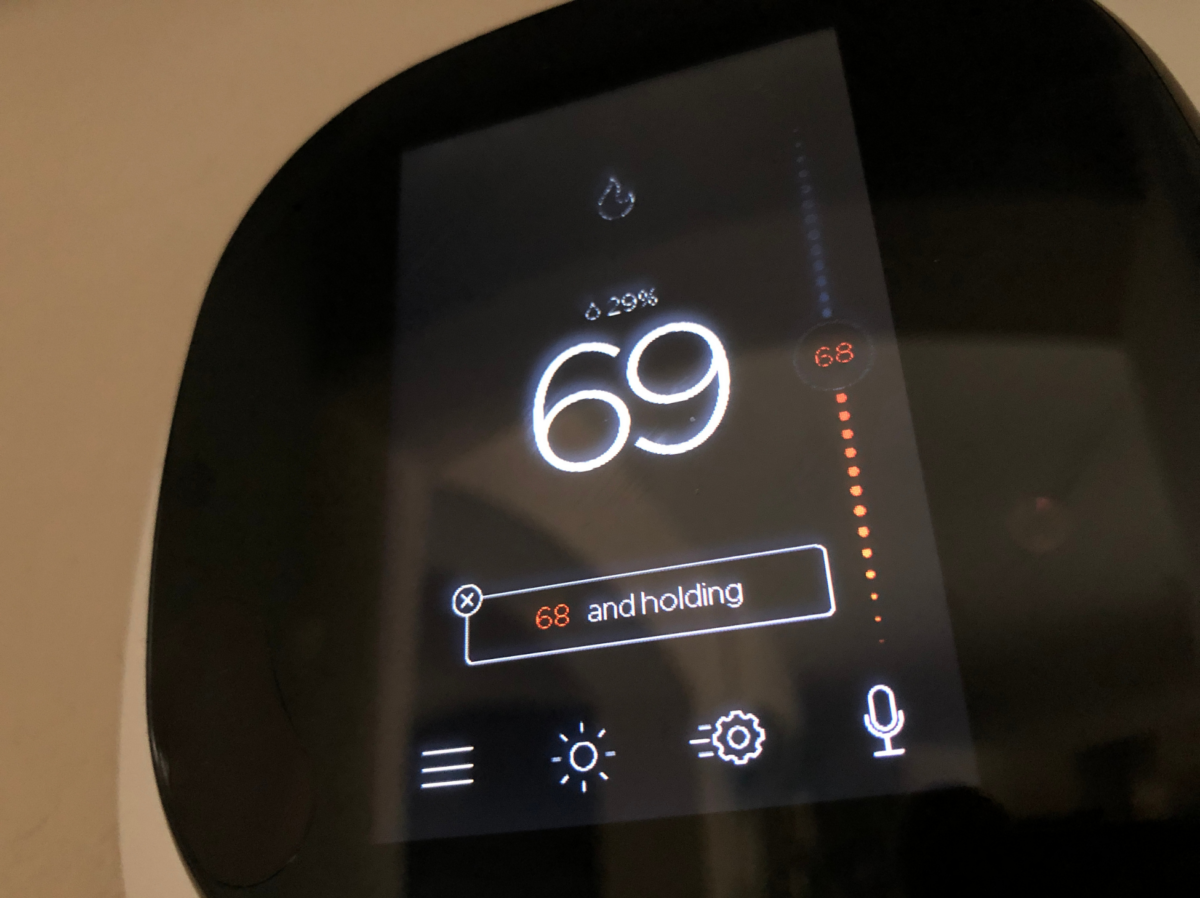
A smart thermostat can be useful when its features match your routine. Remote access allows you to check or change the temperature from a phone, and scheduling or occupancy features can reduce heating and cooling when the house is empty.
ENERGY STAR reports that certified smart thermostats save an average of approximately 8 percent on heating and cooling bills, although actual savings depend on climate, equipment, occupancy, and previous thermostat habits.
A smart thermostat is not automatically compatible with every system. Some require a common wire, while certain heat pumps, boilers, communicating systems, or multi-stage equipment need specific controls. Before purchasing one, confirm that it can properly operate every stage and accessory connected to your system.
Homeowners who prefer a simple thermostat and already maintain consistent energy-saving settings may not see enough benefit to justify an upgrade. Convenience is often as important as energy savings in this decision.
10. What Should I Check Before Calling for HVAC Repair?
A few safe checks may solve a simple problem or help the technician diagnose it more quickly:
- Confirm that the thermostat is set to the correct mode and temperature.
- Replace weak thermostat batteries if the screen is blank or fading.
- Check whether the furnace or air-handler switch was accidentally turned off.
- Inspect the filter and replace it if it is visibly dirty.
- Make sure supply and return vents are open and unobstructed.
- Check the electrical panel for a tripped breaker.
- Look for an error code or flashing light without removing equipment panels.
- Check whether the outdoor unit is blocked by snow, leaves, grass, or debris.
A breaker that trips repeatedly should not simply be reset over and over. Do not bypass safety switches, remove sealed panels, handle refrigerant components, or attempt gas and electrical repairs without the necessary training.
Call immediately if you smell gas, see smoke or scorching, hear unusual electrical buzzing, detect carbon monoxide, or believe the equipment may be unsafe. Leave the building and contact the appropriate emergency or utility service first when there is an immediate gas or carbon-monoxide hazard.
Check out our DIY & Maintenance page for more information on how to maintain your own system and troubleshooting checklists.
Have Another HVAC Question?
Good service starts with clear information. Whether you are comparing replacement options, dealing with an uneven room, or wondering whether a sound from the furnace is normal, we are happy to help you understand the next step without pressuring you into unnecessary work.
Halcro Heating and Cooling serves homeowners in Great Falls and communities within approximately 100 miles. Visit our HVAC services page or contact us to schedule service, request an estimate, or ask a question for a future article.