

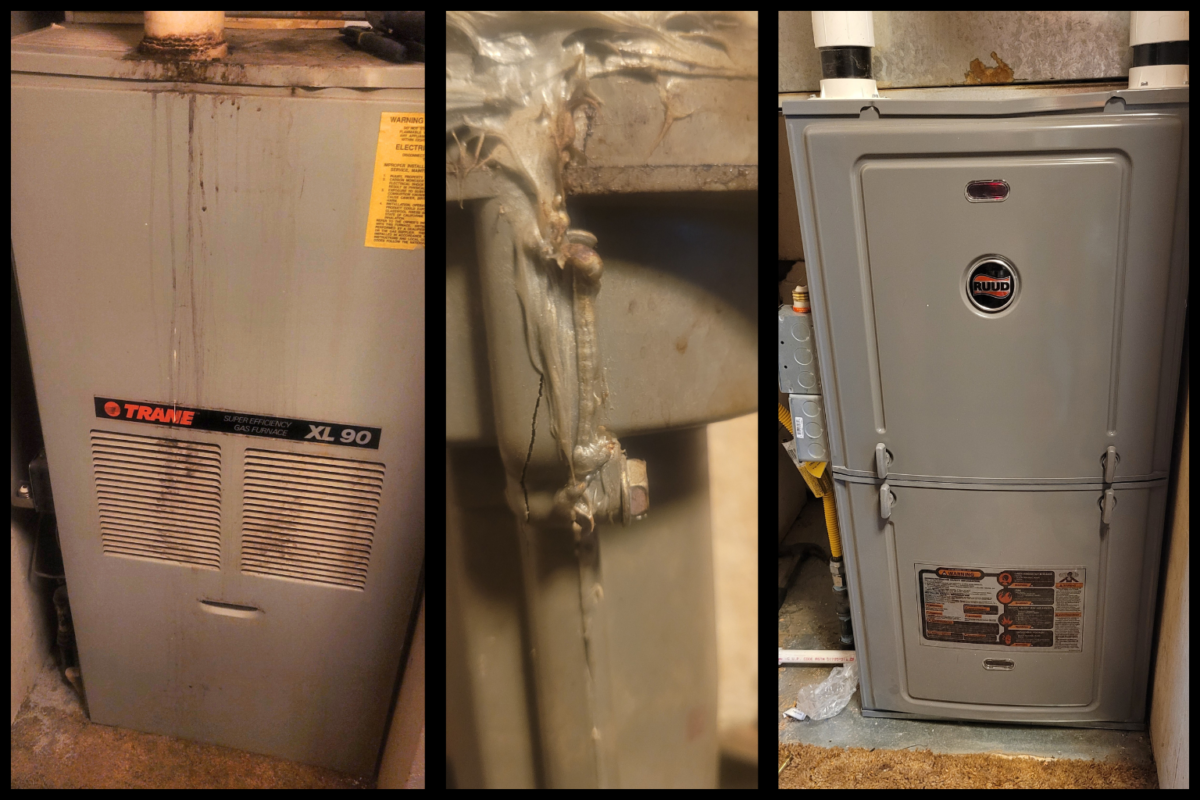
We recently wrapped up a furnace replacement in Choteau, Montana, and it is a good example of why “just keep it running” is not always the safest or most cost-effective option. The home had a 34-year-old natural gas furnace rated around 90% efficiency. It used single-pipe venting (meaning it pulled combustion air from inside the house), and its condensate drained into the crawl space. We were asked to evaluate the furnace and quickly found that it was overheating and shutting itself down after about 30 seconds of operation.
When we opened it up, we found the most immediate problem: a cracked inducer fan. The inducer is a combustion-safety component that helps move flue gases through the venting system. A failure here is not something we try to band-aid. In this case, there was another practical hurdle: replacement parts were no longer available due to the furnace’s age. When a major combustion part is damaged and you cannot source a proper replacement, the safest path is usually replacement instead of repeated service calls and guesswork.
Table of Contents
What We Found: More Than Just an Old Furnace
Older furnaces can sometimes run for decades, but this one had several issues stacking up at the same time.
1) Combustion component failure. The cracked inducer was the deal-breaker. If a combustion-related part is compromised, we treat it seriously because it directly ties to safe venting.
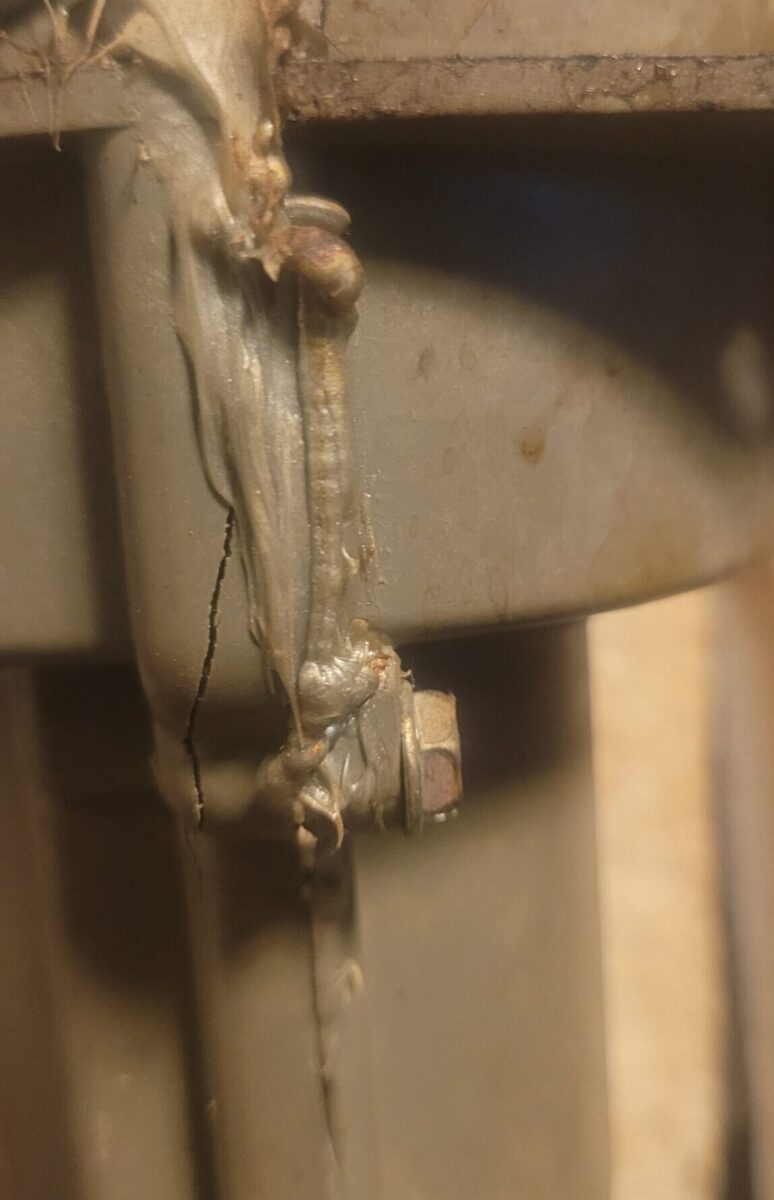
2) Chronic overheating and short cycling. The system was a 100,000 BTU furnace and it was overheating enough that it would shut down and struggle to stay running. Overheating can have multiple causes, but oversized equipment is a common contributor, especially when it is paired with airflow constraints, age, and wear.
3) Condensate not routed correctly. Condensate should be handled intentionally. Letting it drain into a crawl space can create long-term moisture problems, including damp odors, wet insulation, and conditions that are hard on wood and subflooring.
The Plan: Make It Safer, Cleaner, and Properly Sized
Our goal was not just to swap a box. We built a plan around three upgrades that make a noticeable difference in real Montana homes:
- Sealed combustion so the furnace uses outside air for combustion instead of pulling from inside the home.
- Proper condensate routing to a suitable drain.
- Right-sizing the furnace so it heats evenly and efficiently without overheating.
The U.S. Department of Energy notes that oversized heating equipment is common and that proper sizing improves comfort and efficient operation. (https://www.energy.gov/energysaver/furnaces-and-boilers)
What We Installed: Ruud 95% Efficient Furnace With Two-Pipe Venting
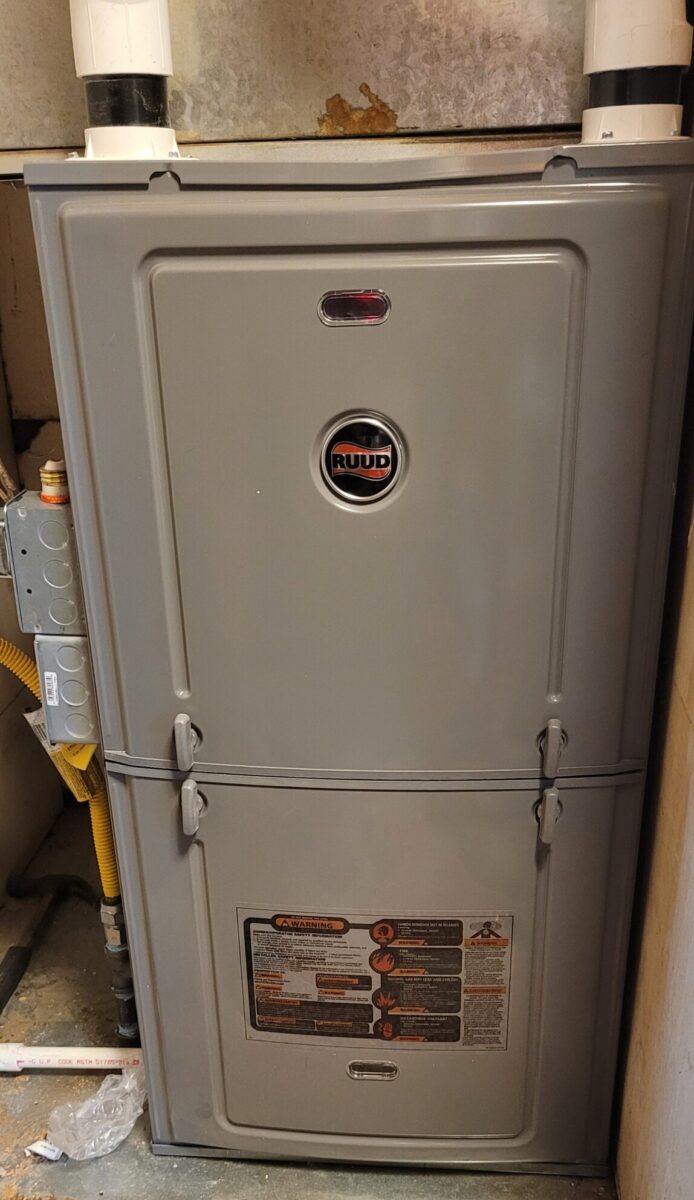
We installed a Ruud 95% efficient natural gas furnace and upgraded the venting to a two-pipe setup. ENERGY STAR’s criteria for gas furnaces in the northern region (which includes Montana) aligns with 95% AFUE or higher. (https://www.energystar.gov/products/furnaces/key_product_criteria)
Upgrade #1: Adding a Second Pipe for Outside Combustion Air
The old system used single-pipe venting, which typically means the furnace pulls combustion air from inside the home. We added a second pipe so the new furnace draws outside air for combustion while exhausting through a dedicated vent. This is often called sealed combustion.
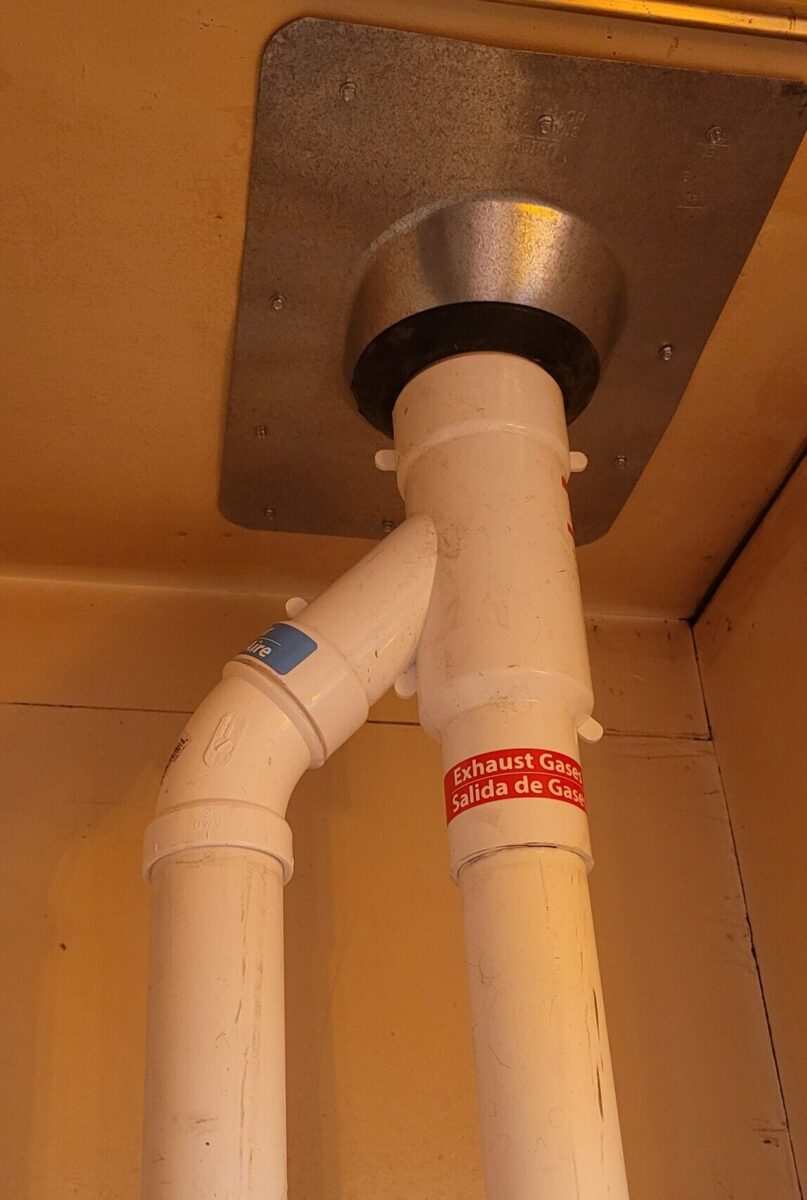
Why homeowners notice this upgrade:
- More stable indoor pressure. The furnace is not “stealing” heated indoor air for combustion, which can help reduce drafts and cold spots.
- A cleaner, safer setup. Two-pipe venting supports consistent combustion and better control over where air comes from and where exhaust goes.
Upgrade #2: Condensate Routed to a Sewer Drain
We re-routed the condensate so it goes to a sewer drain in the crawl space instead of dumping onto the ground. That keeps moisture where it belongs and helps protect the crawl space over the long haul. Condensate drains also need to be serviceable so they can be cleared if they ever plug. (https://www.hvacrschool.com/condensate-drain-codes-best-practices/)
The Biggest Win: Right-Sizing From 100,000 BTU to 56,000 BTU
This job was not only about efficiency. It was about getting the output matched to the home.
We replaced the 100,000 BTU furnace with a 56,000 BTU furnace, which is the size the house actually needs. When a furnace is oversized, it can heat too aggressively, shut down on high limit, and cycle on and off more than it should. Right-sizing typically leads to longer, steadier run times, which improves comfort and reduces wear.
In practical terms, the homeowner should see:
- More even heat throughout the house
- Fewer temperature swings and less “blast then quiet” cycling
- Lower energy use compared to an overheating, short-cycling oversized unit
Why This Should Save Energy (Beyond 90% vs 95%)
Going from roughly 90% to 95% AFUE matters, especially over a long Montana winter. But the bigger savings often come from how the furnace operates day to day.
A properly sized furnace that runs steady is usually more efficient in real life than a larger furnace that overheats, shuts down, and starts over repeatedly. Pair that with sealed combustion and correct condensate routing, and you end up with a system that is safer, calmer, and designed to do its job without fighting itself.
A Quick Tip for Homeowners With Older Furnaces
If your furnace is 25 years old or more and you are noticing any of these, it is worth scheduling a check before the next cold snap:
- It runs for a few minutes, then shuts off repeatedly
- You hear new noises at startup (especially inducer-related)
- You notice moisture issues in the crawl space or around the furnace
- Repairs are getting harder because parts are discontinued
If you are in Choteau, Great Falls, or anywhere within about 100 miles (Fairfield, Fort Benton, Augusta, Dutton, Conrad, Helena, Belt, Cascade, Vaughn, Ulm, Stanford, and nearby towns) and your furnace is aging, overheating, or showing venting and moisture issues, we can help you sort out what is truly repairable and what is smarter to replace. When replacement is the right call, we focus on proper sizing, safe venting, and clean installs that homeowners can rely on.