

Heating FAQs
Have a heating question? We’ve got the answer!
When the temperatures drop in Montana, reliable home heating isn’t a luxury, it’s a necessity. Whether you’re wondering how to maintain your furnace, choose the right woodstove, or troubleshoot boiler issues, we’ve gathered the most common questions we hear from homeowners in Great Falls and beyond. Our goal is to make sure you feel confident about your heating system and know exactly who to call when something goes wrong.
Table of Contents
Service Questions
What areas do you serve?
We’re based in Great Falls and serve homeowners within about 100 miles, including Belt, Fort Benton, Simms, and beyond.
Do you offer financing?
Not yet, but we’re working on it and hopefully will be able to announce progress soon. We want to partner with financing providers to help make upgrades more accessible to our customers.
What’s your repair, maintenance, or installation process like?
It’s pretty simple: we keep things clear and stress-free from start to finish. First, we’ll talk with you about what’s going on or what you need. For repairs or maintenance, we’ll send a tech to diagnose the issue, explain your options, and get things fixed right. For new installs, we’ll help you choose the right system for your home and budget, then handle everything from removal to final testing. We show up when we say we will, keep you in the loop, and leave your home clean and warm.
Why should I choose Halcro Heating and Cooling?
Because we treat your home like it’s our own. At Halcro, we’re local, experienced, and focused on doing things the right way, not the fast way. We take the time to explain your options, never push what you don’t need, and stand behind our work. Whether it’s a small fix or a full system install, you’ll get honest advice, reliable service, and a team that truly cares about your comfort.
General Heating Questions
What type of heating services do you offer?
If it heats your home, we probably work on it! We service gas and electric furnaces, low-pressure and combi boilers, and woodstoves. Don’t see your system listed? Just give us a call and chances are we have the skills and experience to handle it. From quick repairs to full system replacements, our goal is to keep your home warm, safe, and comfortable all winter long.
What do your heating services cost?
Costs can vary depending on the type of service, the equipment involved, and the complexity of the job. Small repairs or maintenance visits typically start around $150, while full system replacements (like a new furnace or boiler) can range from $4,500 to $9,000 or more depending on the system you choose. We’re always happy to provide clear estimates up front and explain your options so there are no surprises.
How do I choose the best heating system for my home?
It depends on your budget, home size, insulation, and energy source. We offer free consultations to help you compare options.
Can I get a heating quote remotely?
We can provide ballpark pricing by phone, but a home visit is often needed for an accurate quote. We’ll work with your schedule to make it easy.
Do you offer emergency heating service?
Yes, especially in winter. If your heat goes out unexpectedly, we prioritize emergency calls to keep you safe and warm. We don’t charge extra for over time or weekends. Check out our article on this policy!
Furnace Questions
Why do you recommend Ruud furnace products?
We recommend Ruud because their products are dependable, efficient, and built to handle tough winters like ours in Montana. As an authorized Ruud dealer, we’ve installed and serviced their equipment for years and we’ve seen firsthand how well it performs in real homes. Ruud offers excellent warranties, proven reliability, and great energy efficiency, which means fewer breakdowns and lower utility bills for our customers. We trust their furnaces in our own homes, and we wouldn’t recommend anything less for yours.
How do I know if my furnace needs to be repaired or replaced?
If your furnace is over 15 years old, needs frequent repairs, or struggles to heat your home evenly, it may be more cost-effective to replace it. We’ll always inspect your system first and explain your options clearly with no pressure, no upselling. In many cases, a straightforward repair is all that’s needed to keep you warm.
What are the signs that my furnace is failing?
Common signs include inconsistent temperatures, strange noises, rising energy bills, frequent cycling, or the furnace simply not turning on. If something doesn’t feel right, it’s best to have us take a look before the problem gets worse.
How often should I service my furnace?
We recommend having your furnace professionally serviced once every year or two, ideally in early fall before you start relying on it daily. Routine maintenance helps prevent surprise breakdowns, improves efficiency, and extends the life of your system.
Why is my furnace blowing cold air?
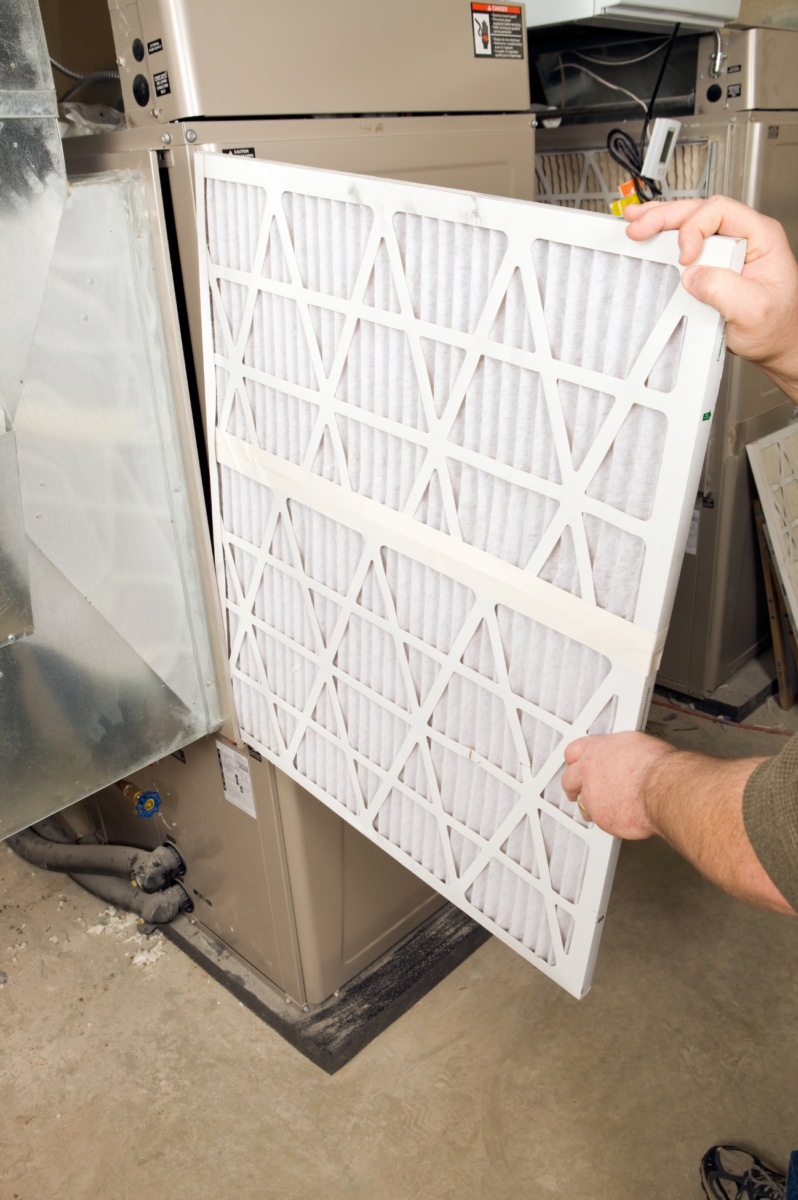
A furnace blowing cold air could be caused by a dirty air filter, thermostat issue, pilot light problem, or more serious internal damage. We can quickly identify the cause and get your system back on track.
What does a furnace tune-up include?
Our standard tune-up includes a full inspection of safety controls, burner and flame sensor cleaning, filter check, and airflow testing. We make sure your furnace is operating safely and efficiently before the cold really hits.
How long does a furnace typically last?
Most furnaces last around 15-20 years with regular maintenance. If your system is approaching that age, or if repair costs are stacking up, we can help you weigh the pros and cons of replacing it.
What’s the best type of furnace for Montana winters?
High-efficiency gas furnaces are the most popular choice in Great Falls and the surrounding areas due to their power and reliability in subzero conditions. We’ll help you choose the right size and model for your home’s needs and your energy goals.
Is it safe to keep using a noisy furnace?
Unusual banging, rattling, or whining sounds are usually signs of a mechanical issue or loose components and could be a safety risk if ignored. It’s always safer to have a technician inspect the system and address the root cause.
Can I install a furnace myself or should I hire a pro?
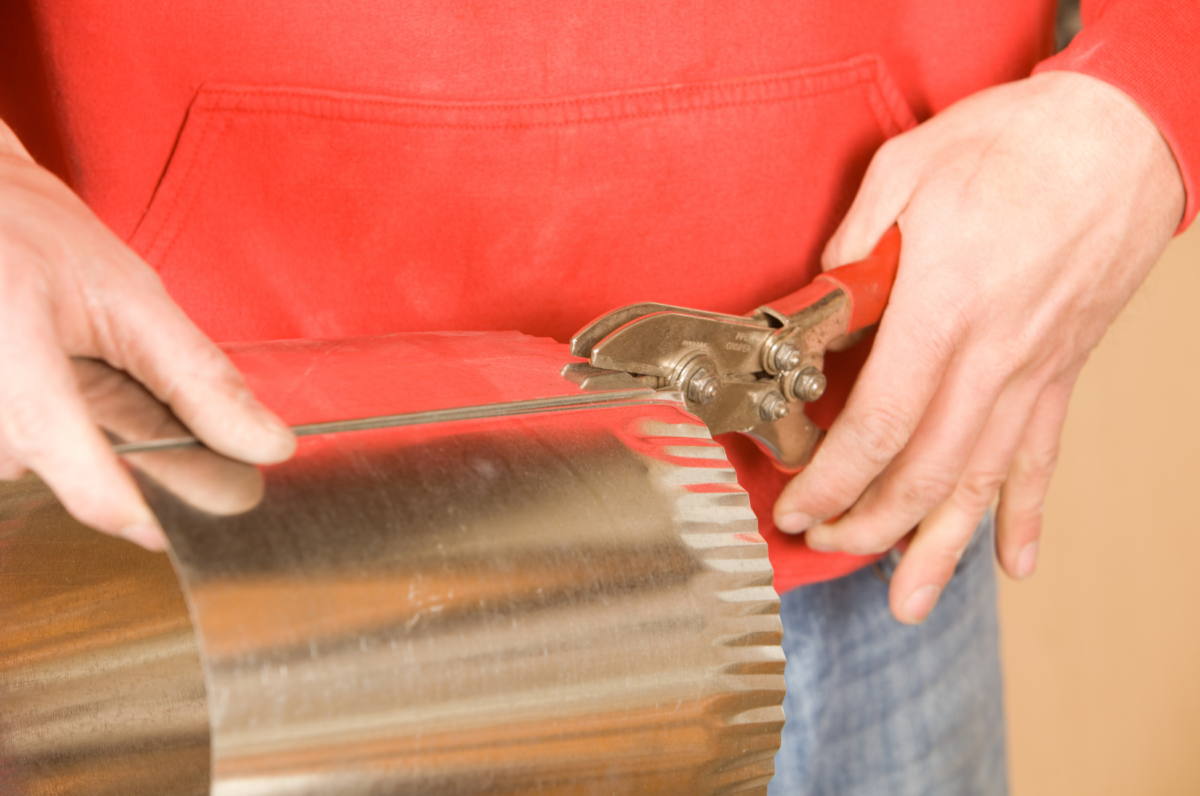
Furnace installation involves gas lines, electrical work, sheet metal fabrication, and local permitting so it’s not something we recommend doing yourself. Hiring a licensed technician ensures the job is done safely, up to code, and backed by warranty.
Will a new furnace help lower my energy bills?
Yes, especially if your current unit is more than 10-15 years old. Newer models are more efficient and can reduce heating costs. We install ENERGY STAR®-rated systems designed for long-term savings.
Boiler Questions
How do I know if my boiler is low pressure?
Most residential boilers operate below 15 psi. If you’re unsure, our technicians can quickly check your boiler’s pressure rating and advise accordingly.
How often should I check my boiler’s pressure?
We recommend checking your boiler’s pressure gauge monthly. Maintaining proper pressure helps prevent breakdowns and inefficiencies.
Can you repair oil boilers in winter?
Absolutely! Our technicians are experienced in providing emergency repairs for oil boilers, ensuring your home remains warm and comfortable even during Montana’s coldest days.
What maintenance is required for combi boilers?
Combi boilers require annual maintenance to clean heat exchangers, inspect controls, and ensure safe, efficient operation.
Are combi boilers good for large homes?
Typically, combi boilers are best suited for smaller to medium-sized homes. For larger homes, our technicians may recommend other boiler systems better suited to handle higher demand.
What are common signs of a failing oil boiler?
Common signs include unusual odors, soot buildup, inconsistent heating, frequent cycling, or increased oil consumption.
Should I repair or replace my boiler?
This decision depends on the boiler’s age, efficiency, and the cost of repairs. Our technicians will provide an honest assessment to help you make the best choice.
Woodstove Questions
How much does it cost to install a wood stove in Montana?
The cost can vary depending on the stove model, venting requirements, and whether your home needs additional fireproofing or chimney work. In general, a full wood stove installation in the Great Falls area can range from $3,000 to $5,500, including materials and labor. We’re happy to provide a free estimate after assessing your space.
Do I need a permit to install a wood stove in my home?
Yes. In most Montana municipalities, including Great Falls, a permit is required for wood stove installation. This ensures that your stove meets local fire safety and building code requirements. As a licensed HVAC contractor, we handle the permitting process for you.
Are EPA-certified wood stoves worth it?
Absolutely. EPA-certified stoves burn more efficiently, use less wood, and release fewer particulates into the air. Not only do they meet federal emissions standards, but they also reduce creosote buildup, making your stove safer and easier to maintain over time.
Can you install a wood stove in a home without a chimney?
Yes. You don’t need a traditional masonry chimney. We can install an insulated stainless steel flue that vents through the ceiling or wall. These systems are code-compliant, efficient, and often more affordable than adding a chimney.
What kind of maintenance does a wood stove need?
At a minimum, you should clean out ashes regularly, inspect door gaskets, and check for creosote buildup. We recommend an annual professional inspection to clean the flue, check seals and firebricks, and ensure everything is operating safely.
Why does smoke come into the room when I use my stove?
This could be caused by a poor draft, a blocked chimney, or an issue with how the stove is loaded and lit. It’s important to have the system inspected since continuing to use it this way could be a safety hazard. We can troubleshoot and correct draft issues to ensure proper ventilation.
How long does a wood stove typically last?
With proper installation and regular maintenance, a wood stove can last 15 to 25 years or more. Over time, parts like gaskets or firebricks may need replacement, but the core unit is very durable.
Is a wood stove a good backup heat source during power outages?
Yes, it’s one of the best options. Wood stoves don’t rely on electricity, so they provide reliable heat even when the power goes out, making them especially valuable in Montana’s winter storms.