

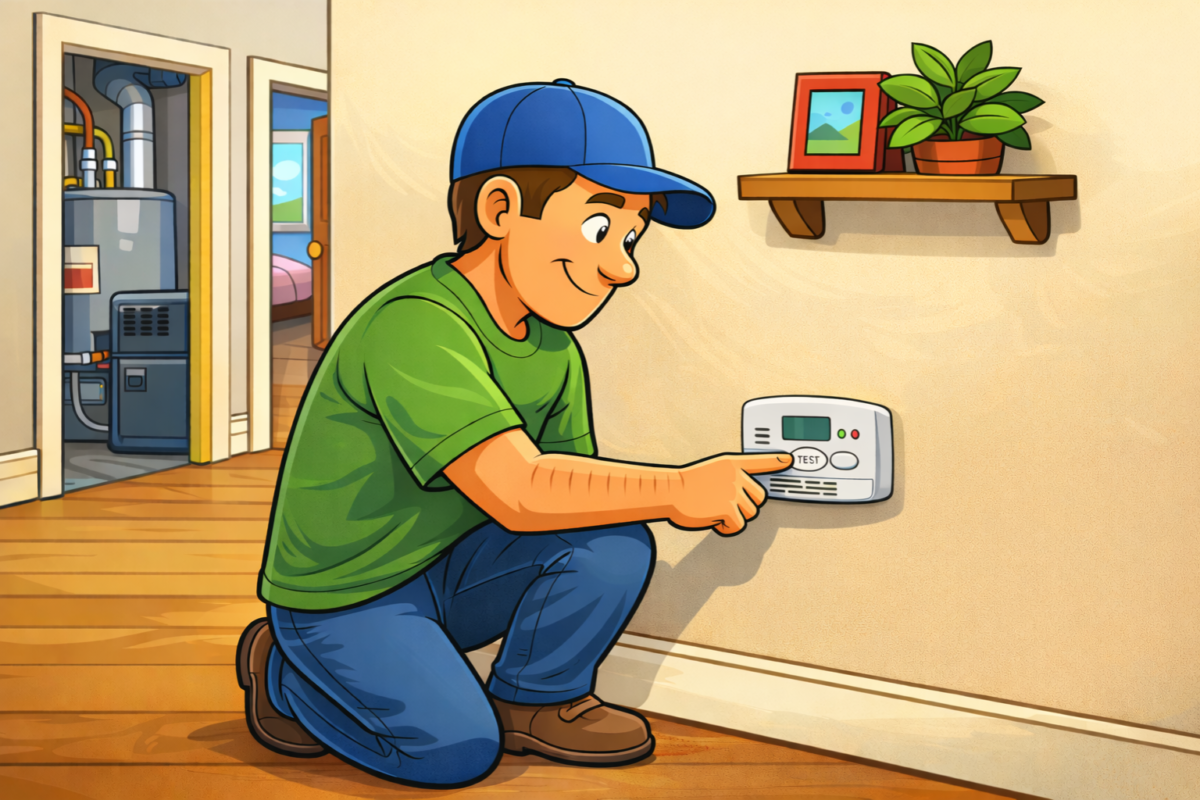
Imagine this: A family has been feeling off for weeks. Mom wakes up with headaches. The kids complain of nausea and seem unusually tired. Everyone blames a lingering virus, but then they notice that they always feel better when they leave the house. The carbon monoxide (CO) detector in the hallway has never gone off, so they assume it can’t be that.
Here’s the catch: it still could be.
Most people believe a silent CO alarm means the air is safe. In reality, most standard residential CO detectors are designed to sound only when carbon monoxide levels are already dangerously high or have been present for hours. That means low or slowly rising CO can build up without ever triggering an alarm.
In this post, we’ll walk through how typical CO alarms work, where their blind spots are, and how to make sure your family truly has reliable CO protection.
Table of Contents
CO basics in plain English
Carbon monoxide is a colorless, odorless gas that forms whenever fuel doesn’t burn completely. In a typical home, it can come from:
- Furnaces, boilers, or water heaters that burn natural gas or propane
- Fireplaces and wood stoves
- Gas ranges or ovens
- Attached garages where cars are started and idled
- Portable generators, grills, or space heaters used indoors (which should never happen)
Because you can’t see or smell it, CO is easy to overlook, even as it builds to dangerous levels.
Early symptoms of exposure can mimic the flu: headaches, dizziness, fatigue, nausea, confusion, and sometimes vomiting. Unlike the flu, you won’t have a fever and people often start to feel better when they leave home or go outdoors.
CO poisoning isn’t always dramatic. It can happen slowly. A slight furnace malfunction or partially blocked flue can release small amounts of CO over days or weeks. You might not pass out, but those symptoms can still signal your body is being exposed.
How standard CO detectors are designed to respond
Most CO alarms you see on store shelves in the U.S. are built to meet UL 2034, the safety standard that governs residential CO alarms. This standard was designed mainly to prevent deaths and serious poisoning during short‑term, high‑level CO events like a running car in an attached garage or a furnace vent blocked by snow.
To avoid false alarms from everyday sources like cooking or car exhaust passing briefly near an open door, these devices are programmed with high thresholds and built‑in delays. In plain terms:
- They typically ignore CO levels below about 30 parts per million (ppm).
- At around 70 ppm, they can wait up to 4 hours before alarming.
- At 150–400 ppm, they’ll sound sooner (within about 10–50 minutes) but that’s still long enough for people to feel very sick.
Those long delays are intentional; the goal is to avoid nuisance beeping that makes homeowners remove the batteries or disable the alarms. But it also means small leaks or day‑to‑day buildup can go on much longer than most people realize.
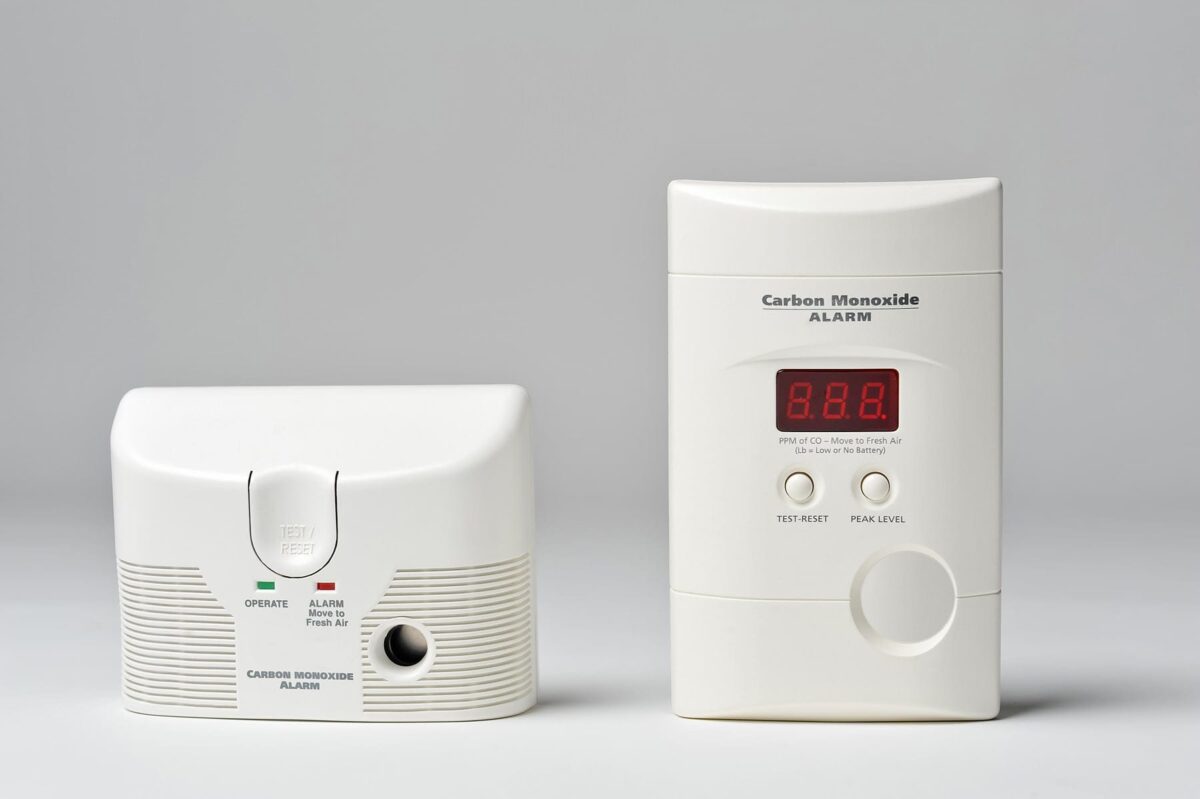
Pushing your alarm’s test button only checks the electronics and sounder. It doesn’t prove the CO sensor can still detect gas correctly.
Why this can leave families under‑protected
While UL 2034 detectors save lives from large CO emergencies, they aren’t designed to protect against low‑level or long‑term exposure. That’s why some families experience ongoing headaches, fatigue, or confusion long before an alarm ever sounds.
“Low‑grade” CO exposure can harm anyone, but certain groups feel the effects sooner: young children, pregnant people and their unborn babies, seniors, and those with heart or respiratory conditions. These groups can experience symptoms well below the levels that trigger a standard alarm.
So, an alarm that never goes off isn’t proof that your air is safe. It only means levels haven’t reached that device’s high trip point or met its time delay yet.
What to look for in safer CO protection
If you want reliable, early warning for your home, think of CO protection in layers. Here’s a simple checklist:
Number and location of devices
- Install at least one CO alarm on every level of your home, including the basement.
- Place alarms near each sleeping area so they can wake you at night.
- Add one near or just outside rooms with fuel‑burning appliances (furnace, wood stove, or gas water heater).
Type of device
- Keep at least one code‑compliant CO alarm (UL‑listed battery, plug‑in, or hardwired type). This satisfies building code and life‑safety requirements.
- For stronger protection, add a low‑level CO monitor with features such as:
- A digital display showing current CO ppm.
- Alarms that activate at lower levels (often starting around 10–25 ppm).
- A memory that stores peak levels since the last reset.
A good low‑level monitor won’t replace your standard UL 2034 alarm. It complements it by catching slow buildups earlier.
Age and replacement
- Every CO detector has a lifespan, often 5–7 years. After that, the sensor degrades, even if the unit still powers on.
- Look for a manufacture date or “replace by” date on the back of the alarm.
- If your detector was installed before your youngest child was born and they’re now in second grade, it’s almost certainly due for replacement.
Power and testing
- Choose units with battery backup so they work during power outages.
- Test each alarm monthly using the test button.
- Replace batteries at least once a year, or follow the manufacturer’s schedule for 10‑year sealed models.
Certification and quality
- Stick with reputable brands that show recognized certification marks (like UL, Intertek, or CSA).
- Be cautious about cheap, no‑name online CO detectors as some have been found to respond incorrectly or fail completely.
Specific red flags that your current CO protection may not be safe enough
If any of the following sound familiar, it’s time to take a closer look at your CO setup:
- A detector with no visible manufacture or replace‑by date (or a date more than seven years old).
- Only one CO alarm in a multi‑level home.
- CO detectors plugged in behind furniture, near windows, vents, or in “dead air” corners.
- Recurring headaches, fatigue, or nausea that ease when you’re away from home.
If you ever suspect a CO issue, leave the home immediately, get everyone into fresh air, and call 911 or your local fire department. Once the scene is safe, have a qualified HVAC or combustion‑safety professional inspect your fuel‑burning systems and venting.
Simple upgrade plan any homeowner can follow
You don’t need to overhaul your entire house at once. Here’s a simple five‑step plan you can do this week:
- Check every CO detector in your home. Write down its location, age, and power source.
- Replace any expired or questionable units immediately.
- Add more detectors so every floor and sleeping area is covered.
- Install at least one low‑level CO monitor with a digital display in a central location like a main hallway or near the mechanical room.
- Set calendar reminders for monthly tests and the next replacement date (5–7 years out).
If you heat with gas or propane, schedule annual maintenance with your HVAC contractor to ensure your furnace, water heater, and vents are burning and exhausting properly. Properly tuned equipment is your first defense against CO.
NFPA has some downloadable resources to help you learn about and plan for carbon monoxide protection.
Wrap‑up and safety reminder
The main takeaway is simple: “No alarm” doesn’t necessarily mean “no carbon monoxide.”
Standard CO alarms are vital life‑safety devices, but they’re built to go off only in true emergencies. For the best protection, pair them with at least one low‑level monitor and stay on top of testing and replacement.
Think of your CO safety as a layered system: well‑maintained fuel‑burning appliances, good ventilation, and properly chosen detectors working together. A few minutes of checking your alarms could prevent weeks (or a lifetime) of harm.
Spend a little time and money now, and you’ll have peace of mind knowing your family is protected against one of the most preventable dangers in the home.