

Having guests for the holidays is exciting, but it can also reveal comfort issues you don’t notice day to day. A room that feels fine for a quick nap can feel chilly for an overnight guest, especially when Great Falls temperatures drop and the wind starts howling across the plains. A few small adjustments to your thermostat settings, airflow, and bedding can make the difference between a so-so stay and guests who wake up rested and grateful.
This guide walks through simple, practical steps you can take before family or friends arrive. None of these tips need special tools, and most can be done in under an hour. The goal is simple: keep everyone warm, comfortable, and able to sleep well so you can all focus on enjoying your time together.
Table of Contents
Set up a guest friendly thermostat plan
Start by looking at how your thermostat’s currently programmed. Many homes around Great Falls are set to be cooler during the day while everyone’s at work, then warmer in the evening. That schedule might not work when guests are home all day, especially older relatives or anyone who runs cold.
For most Montana homes in winter, a daytime setting around 69 to 71 degrees is a comfortable starting point when people are visiting. If your guests are older, have small children, or are coming from a warmer climate, you may want to bump that up a degree or two. At night, you can usually set it a couple of degrees lower, especially if you provide good blankets in guest rooms.
If you use a programmable or smart thermostat, double check that there aren’t aggressive setbacks scheduled when guests will be showering or getting ready for bed. Short, gentle temperature changes are usually better than big swings. Let your guests know where the thermostat is and whether you’re comfortable with them nudging it up or down a degree within a certain range.
Make sure airflow reaches every guest space
Next, make sure warm air is actually getting where it needs to go. Our technicians often find that guest rooms around Great Falls have closed or blocked registers because the room isn’t used very often. When you’re setting up for visitors, walk through the house and check every supply register and return grille.
Open supply registers fully in guest rooms and common areas. Look for furniture, storage bins, or long curtains blocking the airflow. Even a partly blocked register can make a big difference in how warm a room feels. In basements or bonus rooms, make sure vents aren’t hidden behind boxes or holiday decorations.
If your home has hot and cold spots, try running the furnace blower in the “On” setting for a few hours before guests arrive and during busy parts of the day. This keeps air circulating and can help even out temperature differences between rooms. If you notice one room that’s much colder than the rest, mention it at your next maintenance visit so a technician can check for duct or balance issues.
Layer guest rooms for easy comfort
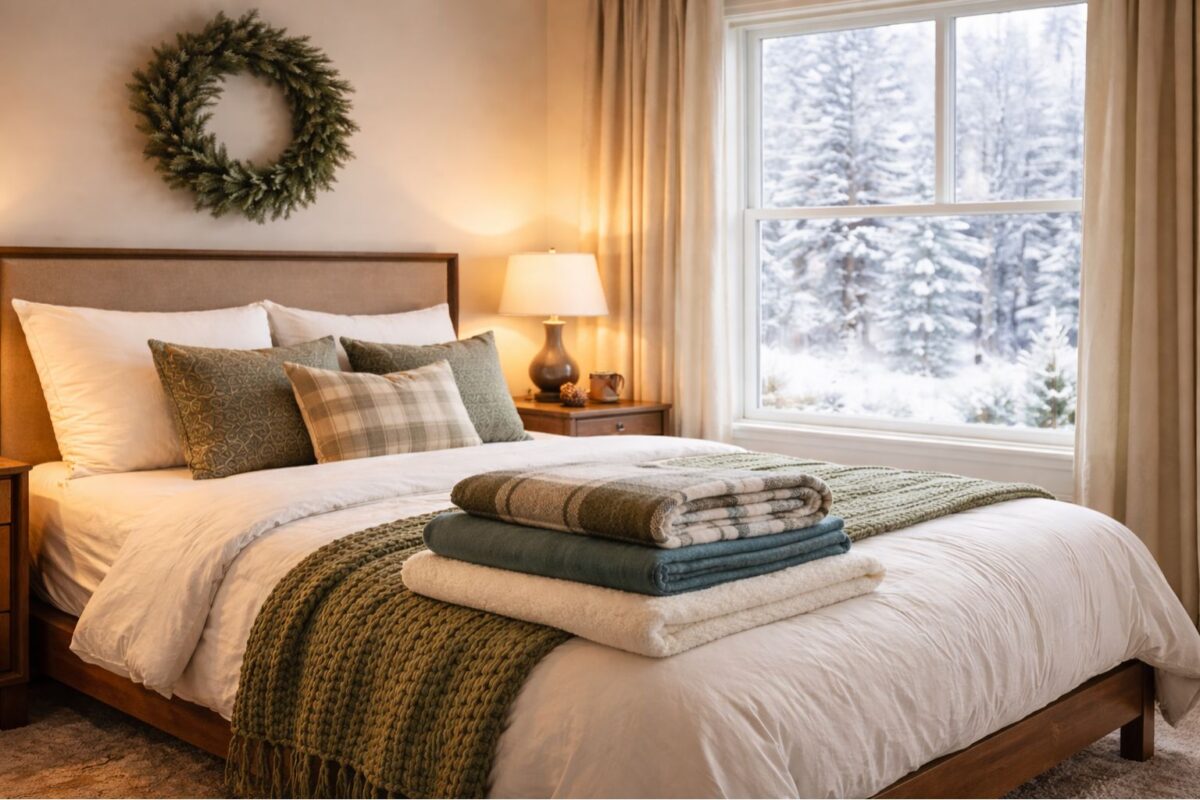
Even with a good thermostat setting and decent airflow, guests will feel more comfortable if they can adjust their own sleeping environment. Think in layers. Start with clean sheets and a medium weight blanket on the bed, then fold an extra blanket or comforter at the foot. If the room tends to be cooler, choose a heavier comforter and add a throw blanket within easy reach.
A small basket with comfort items in each guest room can be a nice touch. Include a light throw blanket, warm socks, and maybe a small note letting them know they shouldn’t hesitate to use what they need. If you know a guest has arthritis or circulation issues, let them choose between heavier and lighter bedding so they aren’t stuck being too hot or too cold.
If you use a portable space heater, place it where it won’t be knocked over and make sure it has modern safety features like tip over protection. Never plug a space heater into an extension cord or power strip, and don’t run it while guests are sleeping or when no one’s in the room. If you find yourself relying on space heaters often, it’s worth having your heating system evaluated for sizing or distribution problems.
Check safety basics and know when to call
A comfortable home also needs to be a safe home, especially when more people are under one roof. Before guests arrive, change or check your furnace filter so your system can move air properly. A dirty filter can reduce airflow, make some rooms feel stuffy or cool, and put extra strain on your equipment.
Test your smoke alarms and carbon monoxide detectors and replace batteries if needed. If you have gas appliances, a fireplace, or an attached garage, working CO detectors are especially important. The U.S. Department of Energy and other safety organizations consistently recommend proper ventilation, regular maintenance, and working detectors as key parts of safe home heating.
Sometimes, small adjustments aren’t enough. If your furnace is running constantly and still can’t keep up, or if certain rooms are always uncomfortable, it may be more than a simple thermostat or airflow issue. Strange noises, new smells, or frequent cycling on and off are all signs your system should be checked.
If you’d like a professional set of eyes on your system before out of town family shows up, you can schedule a seasonal checkup and filter change. This is a great time to mention which rooms are the hardest to keep comfortable so your technician can take a closer look. If you’re already in the middle of a visit and something isn’t working right, we also troubleshoot no heat calls, uneven comfort, or strange noises. We know how important it is to have a warm, welcoming space when people are gathered under one roof.