

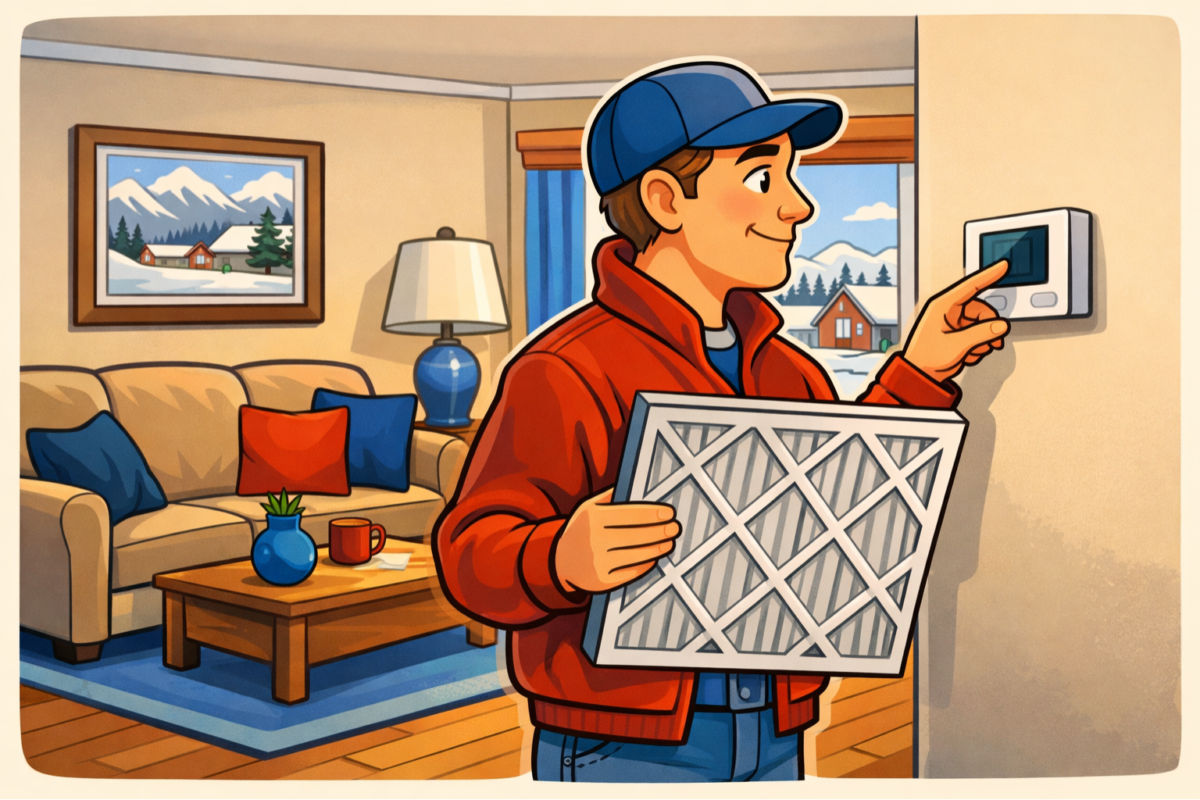
By the time late winter rolls around (even after a mild one), most heating systems have been through a lot: windy cold snaps, dry indoor air, a few temperature swings, and maybe even some dusty days that load up filters faster than you would expect. This is a good moment to do a quick “how did it do?” check, not because you want to nitpick, but because small warning signs are usually cheaper (and less stressful) to handle than a no-heat call on the next surprise cold front.
Below is a homeowner-friendly checklist and reflection guide you can run through in 15 to 25 minutes. It’s designed to help you spot early issues like airflow problems, short cycling, or gas furnace combustion concerns, and to help you decide what can wait until spring and what should be looked at sooner.
Download if you’d like to print a copy!
Table of Contents
Quick Safety Note First
If you notice repeated gas odors, persistent exhaust smells, soot around the furnace, or your carbon monoxide (CO) alarm has gone off even once, treat that as urgent. Leave the home if needed and get help right away.
If everything seems normal, keep going.
Part 1: Comfort and Performance Check (5 minutes)
Walk through your home like you are doing a quick “comfort audit.”
Temperature consistency
- Are some rooms always colder than others?
- Did you have to keep turning the thermostat up to feel comfortable?
- Did you notice big swings, like “too hot” and then “too cool”?
What it can mean: airflow restrictions, duct leakage, a blower starting to fail, or a system that is not set up quite right for the home’s heat loss pattern. In Montana, wind exposure and older insulation can exaggerate these differences.
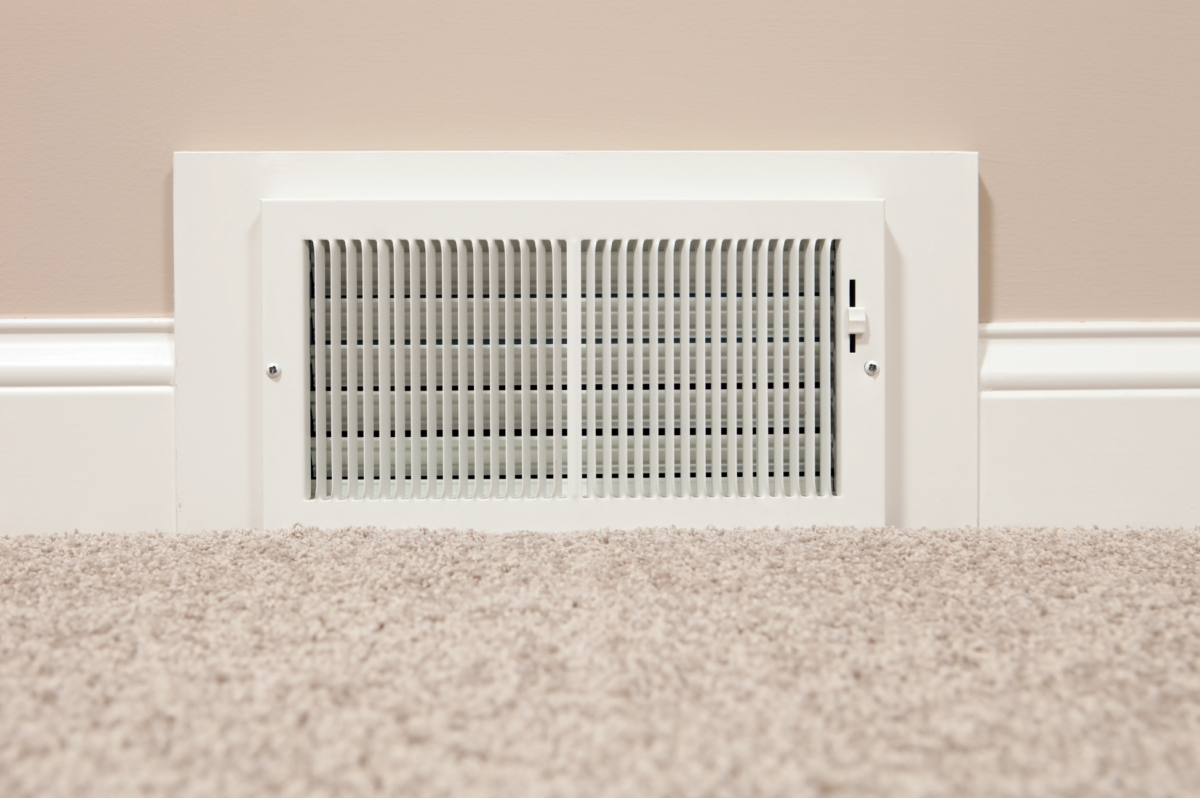
Airflow at registers
- Put your hand over a few supply vents.
- Does airflow feel weak compared to last year?
- Do some vents barely push air at all?
What it can mean: a clogged filter, blocked return air, blower wheel buildup, or duct issues.
Cycle behavior
Pay attention to how the system runs.
- Does it turn on and off frequently (short cycling)?
- Does it run for a long time and still struggle to hit setpoint?
What it can mean: overheating due to restricted airflow, thermostat issues, flame sensing problems, or sizing/setup concerns.
Part 2: Filter and Return Air Check (5 minutes)
A dirty filter is one of the most common causes of poor performance and avoidable wear. ENERGY STAR recommends checking, cleaning, or changing filters monthly during heavy-use seasons, and at minimum regularly through the year.
Filter check
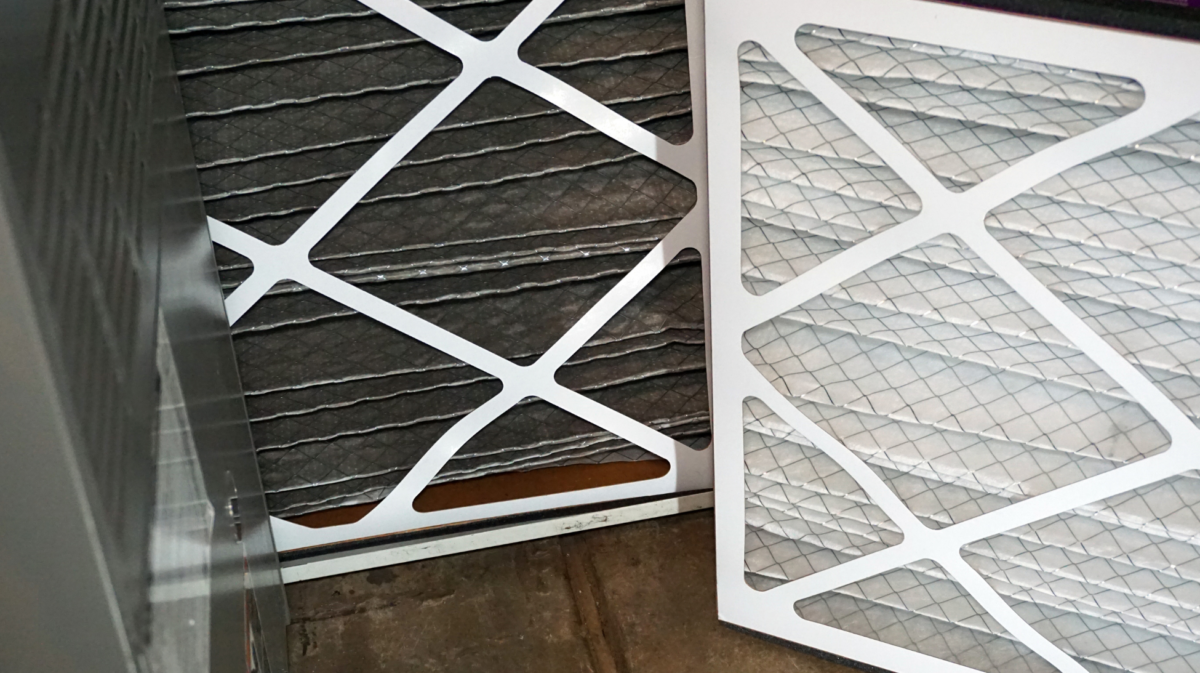
- Pull the filter and look at it in good light.
- If it looks fuzzy, gray, or packed with dust, replace it.
- If you have pets, ongoing remodeling, or a lot of winter dust, check it more often.
EPA notes many manufacturers recommend replacement every 60–90 days, and sooner if filters are heavily soiled. Filter change frequency can be affected by a lot of things, see our recommendations here: Air Filter Change Tips
Return air basics
- Make sure return grilles are not blocked by furniture, rugs, or piled-up winter gear.
- If you have a multi-level home, check returns on each level.
If a return grille gets partially covered by a storage tote in November, by February the furnace may be cycling oddly because it’s starving for airflow.
Part 3: Sounds, Smells, and “Just Feels Off” Clues (5 minutes)
Homeowners are often the first ones to notice subtle changes that matter.
Sounds to note
- New rattling, buzzing, or metal “pinging”
- A blower that sounds strained
- Louder-than-normal startup
Why it matters: some noises are harmless, but new noises can be early signs of motor bearings failing, loose panels, or airflow problems.
Smells to note
- Dusty smell at startup that fades quickly is common.
- Persistent burning smell is not.
- Musty smell can point to moisture issues or indoor air quality concerns.
- Exhaust-like smell near the furnace area should be checked.
Part 4: Energy Bill and Runtime Reality Check (5 minutes)
Pull up one or two winter utility bills and ask:
- Did your bill jump unexpectedly compared to last winter?
- Did the system seem to run longer for the same comfort?
Even without getting overly technical, bill changes can be a helpful “early hint” that efficiency has dropped.
Part 5: Furnace and Mechanical Area Look-Over (5 minutes)
You are not taking anything apart here, just using your eyes.
Around the furnace
- Any water on the floor or rust streaks?
- Any unusual condensation on venting?
- Any loose duct connections you can see?
- Any scorch marks or soot (especially on gas furnaces)?
If you have a high-efficiency furnace (condensing)
- Look at the condensate drain tubing: is it secure and draining properly?
- Any signs it has been dripping or backing up?
End-of-Winter Reflection Guide (Score Yourself)
Give each item a score:
0 = no issues, 1 = occasional, 2 = frequent.
- Uneven temps room-to-room
- Weak airflow at vents
- Short cycling or odd cycling
- New noises
- Unusual smells
- Filter gets dirty fast
- Bills higher than expected
- Thermostat frustrations (overshoot, lag, constant tweaking)
What your total suggests
- 0–3: Likely in good shape. Keep up filter checks and plan your normal maintenance rhythm.
- 4–7: Something is trending the wrong direction. Worth addressing before it becomes an emergency.
- 8+: Strong signal that the system needs a closer look soon, especially before shoulder season and spring weather swings.
Early Warning Signs That Deserve a Call Sooner
These are the “don’t wait until next winter” items:
- Short cycling that happens repeatedly
- Airflow that is clearly weaker than it used to be
- Persistent burning, electrical, or exhaust-like odors
- Any water leaking near the furnace
- A furnace that “struggles” even on milder days
- CO alarm events (even one)
Simple Next Steps You Can Do This Week
- Replace the filter (and write the date on the new one).
- Clear return grilles and supply vents.
- If you deal with wildfire smoke some years, plan ahead for filtration. EPA guidance notes that MERV 13 or higher filters are recommended during smoky periods, and filters should be checked often.
- Make a note in your phone: “How did the heat feel this winter?” so you remember the details later. That sounds silly, but it helps when you are trying to describe a problem months after it happened.
When It’s Worth Scheduling a Pro Check
If your checklist or score suggests a trend, a technician visit can usually confirm whether it’s something simple (filter, thermostat setup, airflow balance) or something mechanical that is starting to fail. ENERGY STAR also highlights routine maintenance as a practical way to protect equipment and performance over time.
If you’re in Great Falls or within about 100 miles and your end-of-winter check-in raised questions, we can help you sort out what’s normal, what’s a quick fix, and what’s worth planning for. Even a short diagnostic visit now can prevent a surprise no-heat situation later and helps you go into spring with peace of mind.