

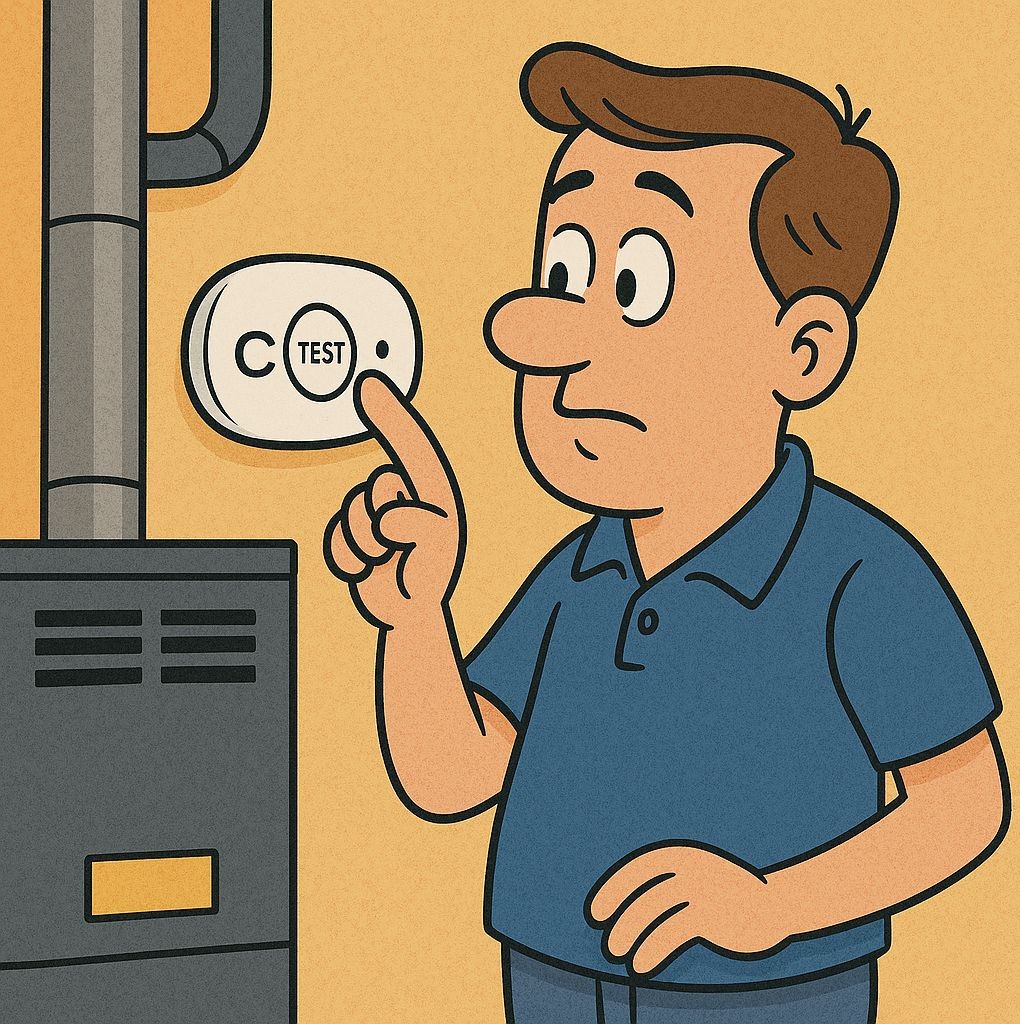
When the nights start cooling off in Great Falls and you’re about to switch your furnace on for the first time since spring, it’s not just comfort you should be thinking about. Safety matters, too. Carbon monoxide (CO) is one of the most serious hazards linked to heating systems, and fall is the perfect time to make sure your home is protected.
Table of Contents
Why Carbon Monoxide is a Concern in Montana Homes
Carbon monoxide is a colorless, odorless gas produced when fuel such as natural gas, propane, or oil does not burn completely. In our area, most homes rely on gas or propane furnaces, which means the risk is real if equipment is not working properly. Since Montana winters are long and cold, families often run their furnaces nearly nonstop, so even a small issue can quickly become dangerous.
According to the CDC, more than 400 people in the U.S. die each year from accidental CO poisoning, and thousands more visit the emergency room. Symptoms can start out like the flu: headache, nausea, dizziness, or fatigue. But exposure can become life-threatening if the source is not identified.
Key Steps Before Firing Up Your Furnace
1. Test or Install Carbon Monoxide Detectors
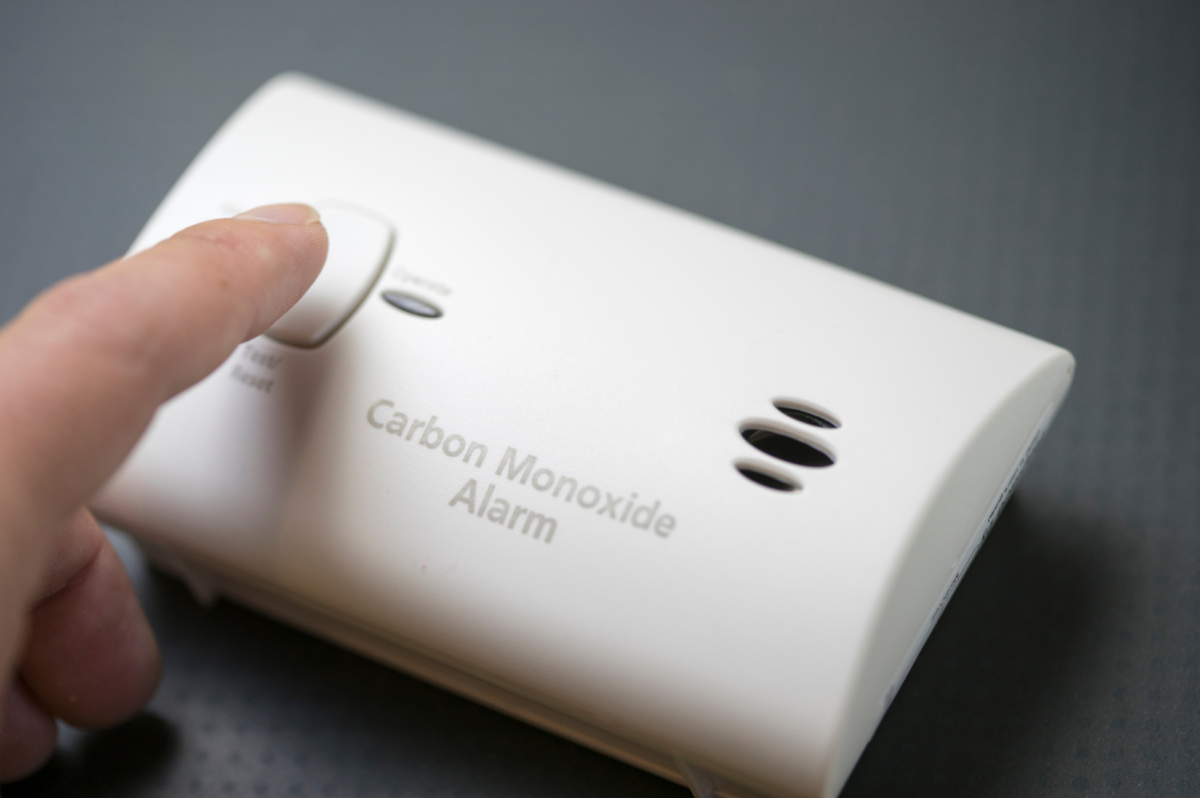
Every home with a fuel-burning appliance should have CO detectors. Place them:
- On each level of your home.
- Near bedrooms, so alarms wake you if levels rise overnight.
- Within 10 to 15 feet of your furnace room.
Change batteries twice a year, and replace detectors every 5 to 7 years depending on manufacturer instructions. We generally buy ours at a local hardware store and we’ve even see them for sale in drug stores and super markets.
2. Keep Vents and Exhaust Clear
Outside vents can easily be blocked by leaves, dirt, or even snow once winter arrives. Walk around your home before starting the furnace and clear away anything that could restrict airflow.
3. Know the Symptoms of CO Exposure
If anyone in your home feels ill after turning the heat on, especially with flu-like symptoms that improve once you leave the house, take it seriously. Leave immediately, call 911, and have the system checked.
4. Call for a Professional Furnace Inspection When Needed
If your carbon monoxide detector goes off, if you suspect something is wrong with your heating system, or if it has simply been a while since your last tune-up, it is time to call in a professional. A licensed technician can check for issues such as:
- Cracked heat exchangers that may allow CO to leak into your home.
- Blocked flue pipes or chimneys that stop gases from venting safely.
- Burner problems that prevent clean, efficient combustion.
In one service call outside of Great Falls, our team found a vent pipe that had been damaged in such a way that all the exhaust was venting directly into the home. Without that inspection and venting repair, the family could have faced dangerous CO levels the very first time they turned on their furnace for winter.
Staying Safe and Warm All Season
Carbon monoxide safety is not about fear, it is about prevention. A fall furnace check is a simple step that keeps your family safe while ensuring your system is ready for heavy winter use. In Montana’s climate, where a working furnace is not a luxury but a necessity, that peace of mind is worth it.
Haven’t had your furnace serviced in a while?
Contact Halcro Heating and Cooling today to book a fall tune-up and make sure your home is safe and ready for the cold season.