

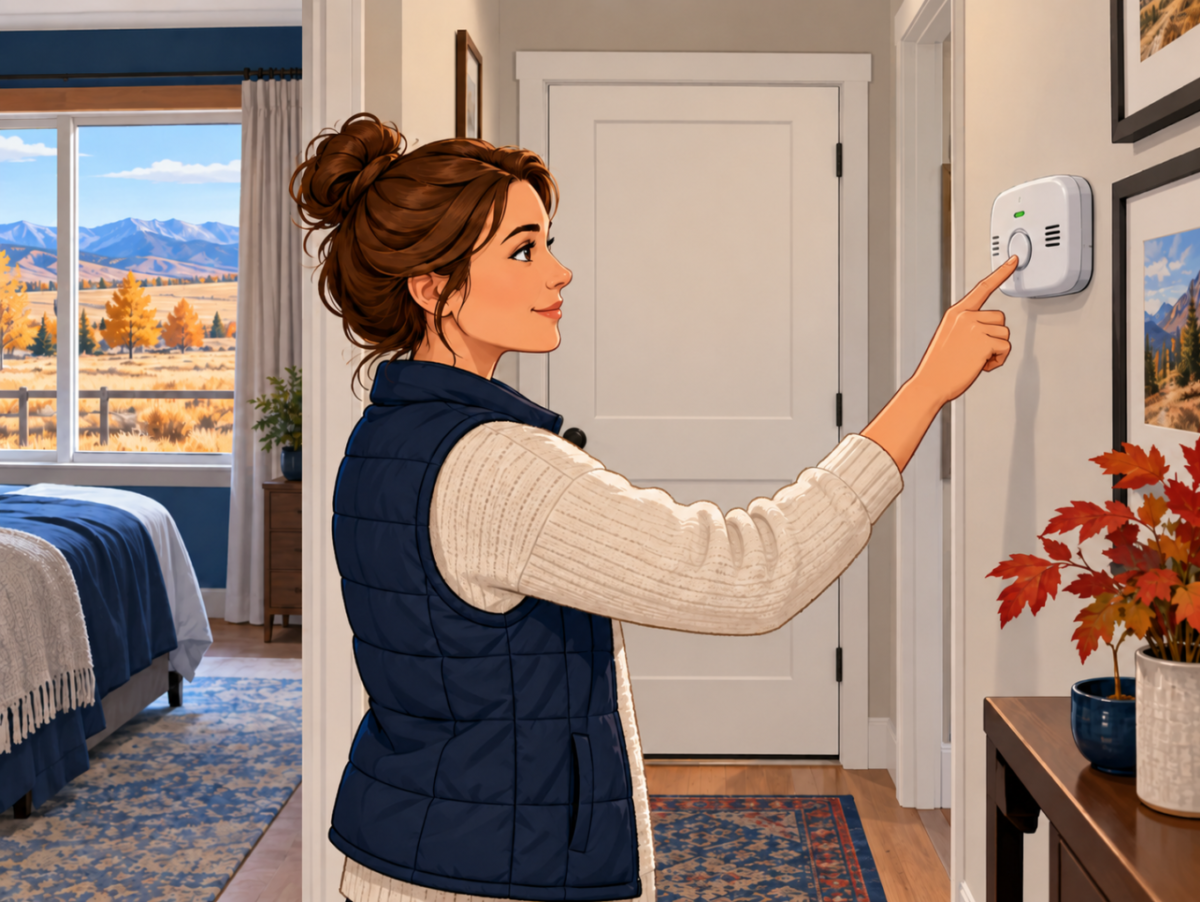
When the first cold nights arrive in Great Falls, many homeowners turn on their furnace for the first time in months and listen for the familiar sound of warm air moving through the house. It is also a good time to think about something you cannot hear, see, or smell: carbon monoxide.
Most homeowners know they should have carbon monoxide alarms, but there is an important detail that is easy to overlook. A silent CO alarm doesn’t necessarily mean there is no carbon monoxide in your home. Household alarms are an important safety device, but they are designed to warn you when certain concentrations and exposure times are reached. They should be one part of your home’s carbon monoxide safety plan, not the entire plan.
Table of Contents
What Is Carbon Monoxide?
Carbon monoxide, commonly called CO, is a colorless and odorless gas created when fuels don’t burn completely. Natural gas, propane, heating oil, gasoline, and wood can all produce carbon monoxide.
Inside a home, possible sources include furnaces, boilers, fireplaces, wood stoves, gas water heaters, gas ranges, and other fuel-burning appliances. A vehicle running in an attached garage can also create a dangerous situation.
The U.S. Environmental Protection Agency explains that improperly installed, maintained, or vented fuel-burning appliances can become sources of carbon monoxide. That is one reason the beginning of heating season is a good time to check both your heating equipment and your CO alarms.
Why “No Alarm” Doesn’t Always Mean “No CO”
This is probably the most misunderstood part of carbon monoxide safety.
A household carbon monoxide alarm is not generally intended to behave like a professional combustion analyzer or an environmental monitor displaying every small change in CO concentration. Its primary purpose is to warn occupants before exposure reaches potentially dangerous levels.
The response also depends on both how much carbon monoxide is present and how long it remains present. As concentrations rise, alarms are generally designed to respond more quickly.
For example, specifications for common residential CO alarms have included response windows such as:
- Around 70 ppm: the alarm may take considerably longer to activate.
- Around 150 ppm: the alarm is designed to activate much sooner.
- Around 400 ppm: activation should happen within minutes.
The exact behavior depends on the alarm and the standards under which it was manufactured, so homeowners should always read the instructions for their particular device.
The practical takeaway is simple:
A silent CO alarm should never be used as proof that a fuel-burning appliance is operating correctly.
That is especially important if you are experiencing symptoms, noticing unusual furnace operation, or have another reason to suspect a combustion or venting problem.
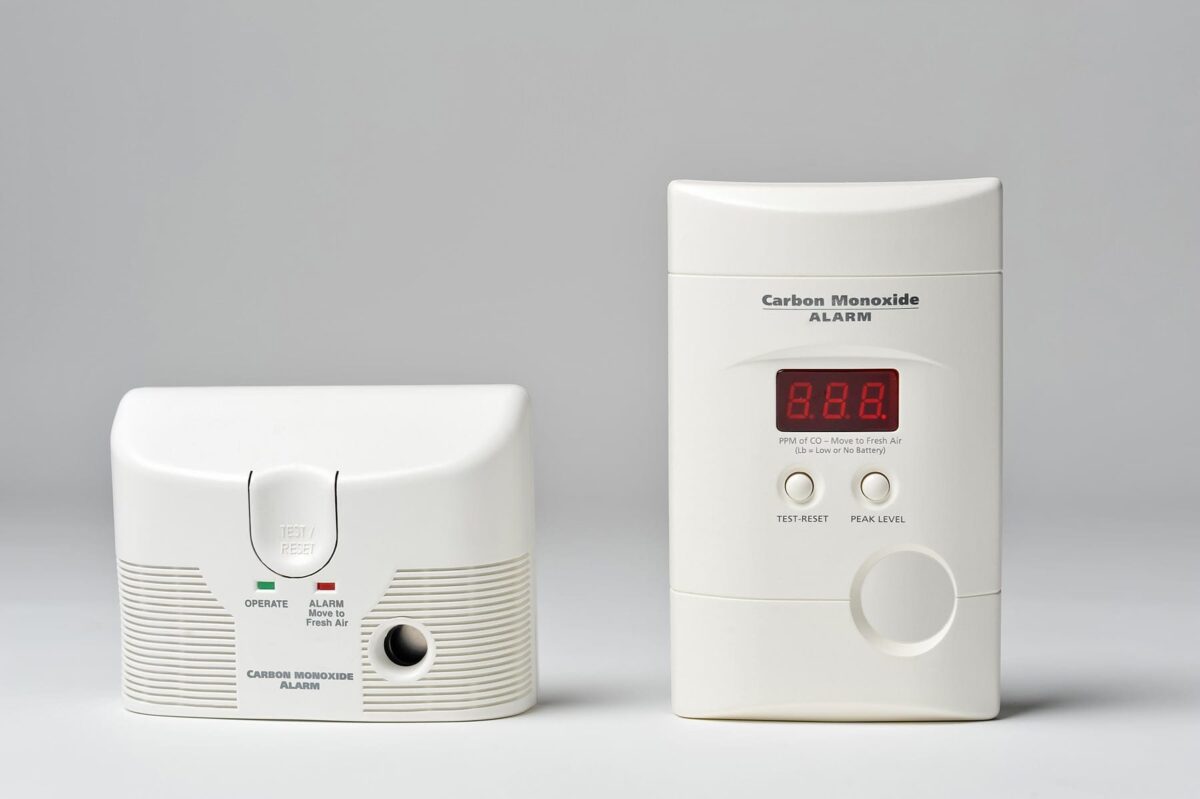
CO Alarms Are Important Safety Devices
Understanding their limitations does not make carbon monoxide alarms less important. Quite the opposite.
The Consumer Product Safety Commission recommends installing CO alarms on every level of the home and outside sleeping areas. Interconnected alarms can provide additional protection because when one alarm detects a problem, alarms throughout the home can sound.
The EPA also recommends placing alarms in central locations on each level of the home’s livable space, near sleeping areas, and near the door leading to an attached garage. Follow the alarm manufacturer’s instructions carefully because placement requirements can vary.
Before heating season:
- Test your CO alarms.
- Replace batteries when applicable.
- Check the manufacturer’s replacement date or end-of-life instructions.
- Make sure alarms are not blocked by furniture or curtains.
- Confirm you have coverage on every occupied level and near sleeping areas.
Many newer alarms have sealed batteries and end-of-life warnings, but the alarm itself still eventually needs to be replaced.
Know the Symptoms of CO Exposure
Carbon monoxide exposure can be difficult to recognize because early symptoms can look like the flu, fatigue, or another common illness.
Possible symptoms include:
- Headache
- Dizziness
- Weakness or unusual fatigue
- Nausea or vomiting
- Shortness of breath
- Confusion
- Sleepiness
One warning sign worth paying attention to is when several people in the home begin feeling similar symptoms, particularly if those symptoms improve after leaving the house.
If you think you may be experiencing carbon monoxide poisoning, do not wait for an alarm to confirm it. Get outside to fresh air and seek emergency assistance.
If a CO alarm sounds, leave the home and contact 911 or your local fire department. Do not remain inside trying to determine which appliance caused the alarm.
Check Your Furnace Venting
Carbon monoxide safety is about more than the furnace itself. Combustion gases also need a clear path out of the home.
Before you begin relying heavily on your heating system, take a quick walk around your house and look at accessible exterior furnace intake and exhaust pipes. Make sure they are not blocked by leaves, debris, nests, or other material.
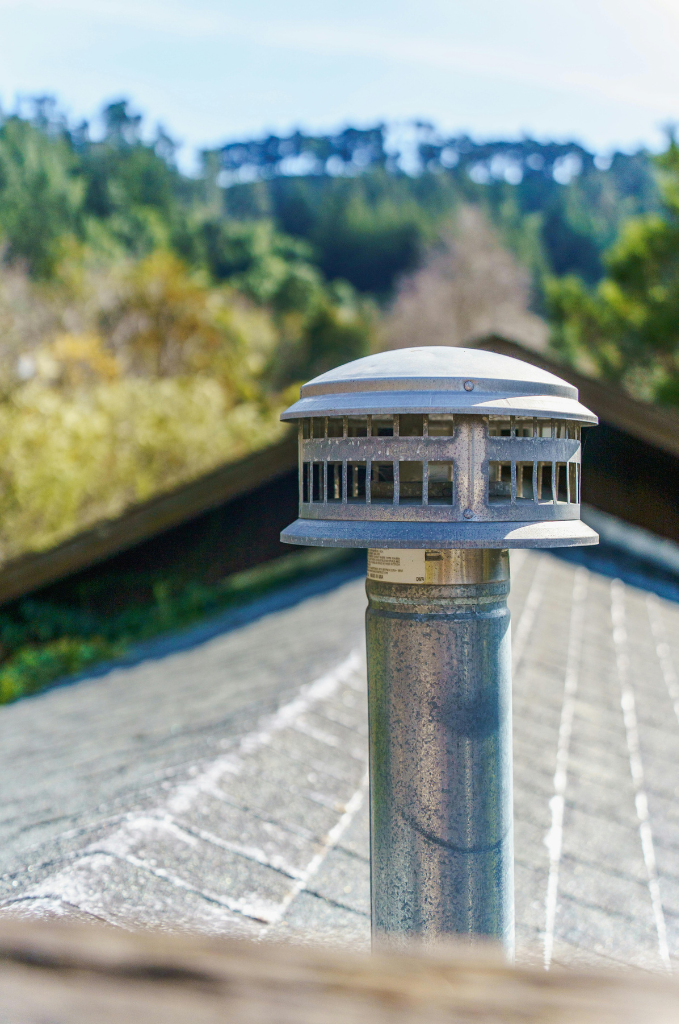
Once winter arrives, check them after heavy snowfall or drifting conditions. Great Falls and the surrounding areas can experience wind-driven snow that piles up in places that normally stay clear.
Do not disassemble venting or combustion equipment yourself. The homeowner check is simply to identify obvious external obstructions or damage.
A Real Example of Why Venting Matters
We have seen how important this can be during actual service calls.
On one call outside Great Falls, our technician found furnace vent piping that had been damaged in a way that allowed the furnace exhaust to discharge directly into the home. The furnace could still operate, but the venting problem created a potentially serious carbon monoxide hazard.
That is a good example of why simply asking, “Is the furnace running?” or “Is my CO alarm going off?” does not tell the whole story.
A heating system needs to produce heat, burn fuel correctly, and safely move combustion gases outside.
What a Professional Furnace Inspection Can Find
A professional heating inspection looks at things homeowners cannot easily evaluate on their own.
Depending on the furnace and the type of service being performed, a technician may inspect or test items such as:
- Burner operation
- Ignition components
- Heat exchanger condition
- Venting and flue connections
- Combustion air
- Furnace safety controls
- Gas pressure
- Draft
- Carbon monoxide or combustion readings
- Airflow through the furnace
Professional measuring equipment is much more useful for diagnosing equipment operation than waiting for a household alarm to sound.
If a technician detects abnormal combustion or carbon monoxide readings, the next step is determining why they are occurring. Sometimes the cause is a venting problem. Other times it may involve burners, gas pressure, airflow, a heat exchanger, or another part of the heating system.
A Simple CO Safety Check
Before settling into another Montana heating season, spend a few minutes checking the basics around your home.
Test Your CO Alarms
Use the test button according to the manufacturer’s instructions. Remember that pressing the test button generally verifies the alarm’s electronics and warning function. It does not prove that the sensor would accurately detect every possible CO condition.
Check the Alarm Age
Find the manufacture date or replacement information on the alarm. If it has reached the end of its recommended life, replace it.
Look at Exterior Furnace Vents
Make sure accessible intake and exhaust openings are clear of leaves, debris, nests, and other obvious obstructions.
Look Around the Furnace
Keep flammable materials away from heating equipment. The furnace area should remain accessible for inspection and service.
Pay Attention When the Furnace Starts
A little dust smell during the first heating cycle of the season can happen, but persistent unusual odors, abnormal burner behavior, repeated shutdowns, soot, or other changes deserve attention.
Don’t Ignore Symptoms
If people in the home develop unexplained headaches, dizziness, nausea, weakness, or confusion, especially when the heating equipment is operating, get outside and treat the situation seriously even if the CO alarm is silent.
Prevention Is Better Than Waiting for an Alarm
A carbon monoxide alarm is there to provide an important last layer of protection. It shouldn’t be the tool we rely on to tell us whether heating equipment is operating properly.
The EPA specifically describes CO alarms as a backup to proper installation, use, and maintenance of fuel-burning appliances, not a replacement for those things.
For homeowners around Great Falls, that is especially relevant. Our heating systems often run for long periods through Montana’s cold weather. A problem that goes unnoticed during a short fall heating cycle may become much more important when the furnace begins running regularly in December or January.
Regular maintenance, clear venting, working CO alarms, and paying attention to changes in equipment operation all work together.
Stay Safe This Heating Season
Carbon monoxide safety does not need to be complicated or frightening. A few basic habits provide a strong layer of protection: keep working alarms throughout the home, check your furnace venting, maintain fuel-burning equipment, and know the symptoms of exposure.
Most importantly, remember that “no alarm” does not automatically mean “no carbon monoxide.”
If something about your heating system does not seem right, or it has been a while since it was professionally inspected, Halcro Heating and Cooling can check your equipment and explain what we find. We serve Great Falls and communities throughout Central Montana within roughly 100 miles, and our goal is simple: help you understand your system and keep it operating safely through another Montana winter.